Visible, safe, confident: The guide to cycling in fall
Want to cycle safely and comfortably despite the autumn weather? In this guide, you will learn how to get through the dark season with the right clothing, lighting, and riding technique—including a checklist for perfect autumn bike maintenance.
The most important information at a glance.
Visibility is crucial: Good lighting and reflective clothing are essential in darkness and fog.
Weatherproof clothing protects you: Functional clothing, rain jackets, and gloves keep you dry and warm.
Check your bike regularly: Tires, brakes, gears, and lights must be able to withstand the weather.
Autumn bike care: Regular cleaning and protection against corrosion extend the life of your bike.
Adapt your riding style: Wet leaves, slippery roads, and poor visibility require anticipatory riding.
Autumn brings not only colorful leaves, but also slippery roads, poor visibility, and cold rainy days. In short: if you want to continue cycling during these weeks, you have to be prepared for changeable conditions. But don't worry: with the right preparation, you can reach your destination safely, visibly, and relaxed, even in the dark season. The following tips address exactly this and show you how you can cycle safely and comfortably through the golden season with just a few measures.
Cycling in fall.
Clothing and other gear are essential.
The first tip is the most obvious – because it helps you cope better with the changeable autumn weather. One minute it's drizzling, the next it's suddenly stormy, and by the time you're on your way home, it's already dark. If you're cycling, you need functional and weatherproof clothing that can respond flexibly to changing conditions during this transitional period.
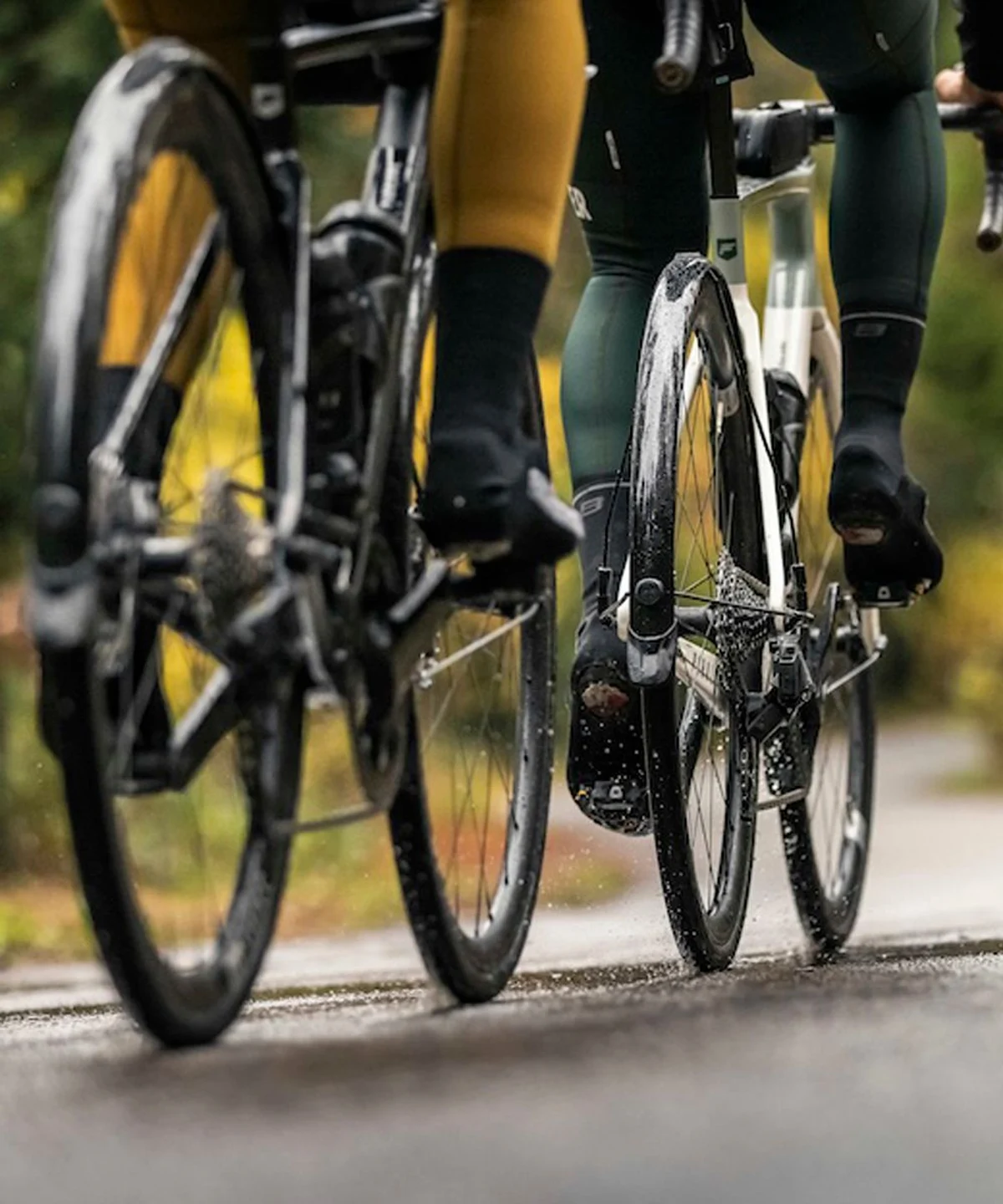
The tried-and-tested layering principle is the best choice here: a breathable base layer ensures that moisture is wicked away from the skin. On top of this, an insulating layer protects against the cold – such as fleece or softshell material. The final layer is a windproof and waterproof outer layer. Rain pants can also be quickly pulled on in sudden showers to keep your legs dry.
In addition to classic clothing, accessories also play an important role. Gloves not only keep your fingers warm, but also improve your grip on the handlebars. Overshoes keep your feet dry, a thin hat under your helmet protects your head, and a tube scarf or buff keeps your neck and face warm.
More than just fashion.
Visibility means safety.
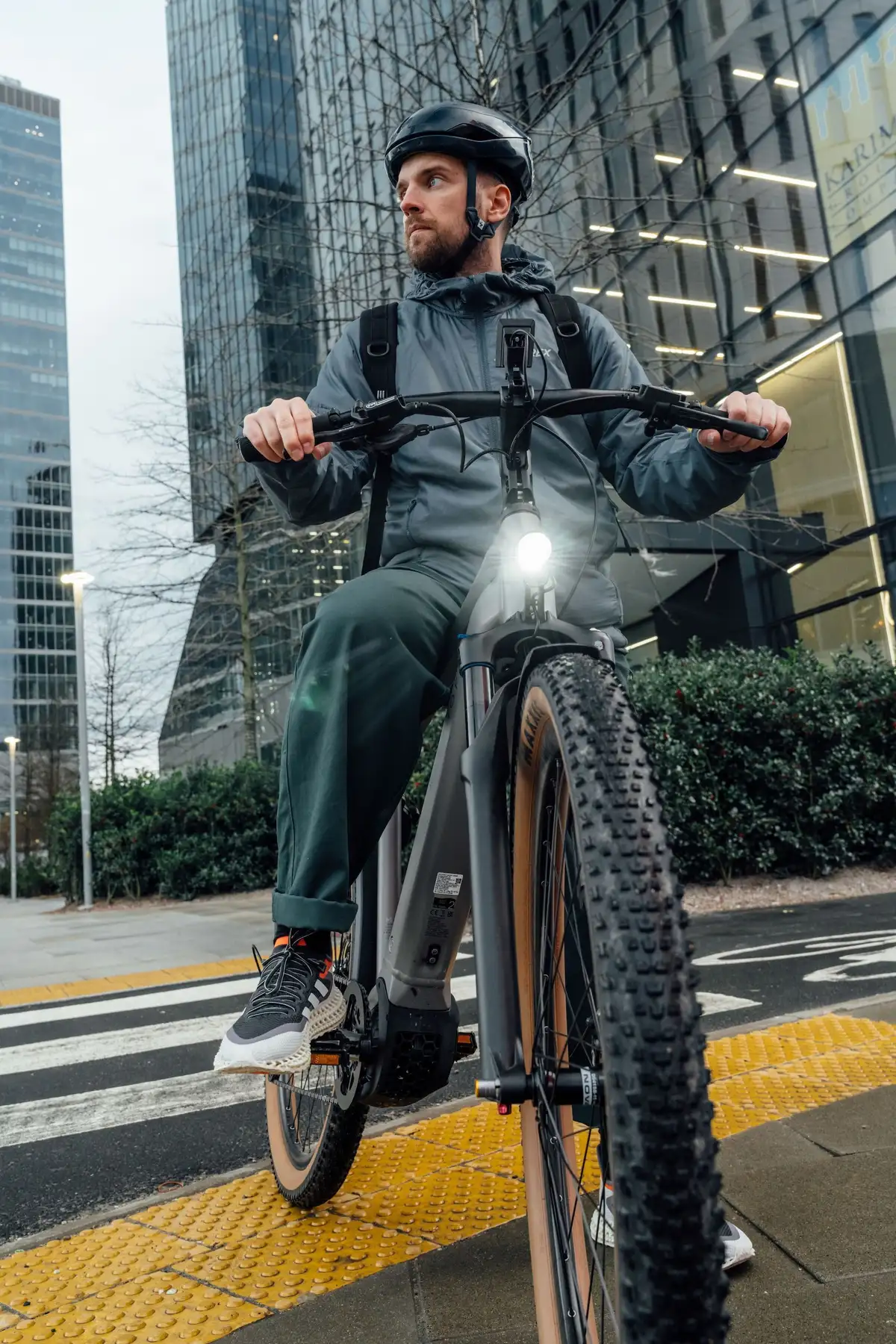
When the days get shorter and fog or rain limits visibility, good lighting becomes a lifesaver on two wheels. It's not just about seeing well yourself, but above all about being seen early on. Because in road traffic, seconds often determine safety—especially at dusk or in poor lighting conditions.
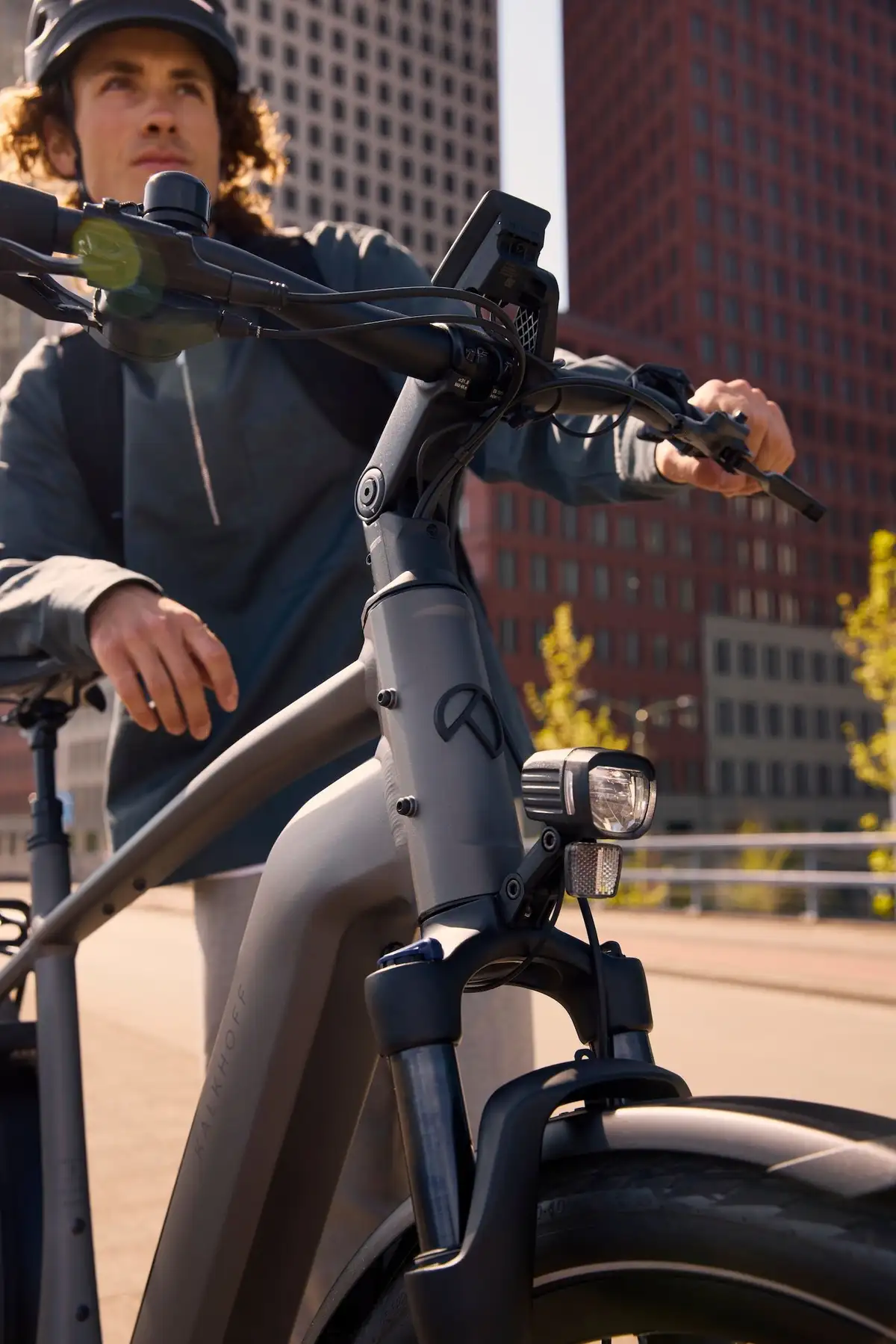
Functioning front and rear lights are therefore a must. In any case, make sure that the lights are correctly aligned and that the luminosity is sufficient – especially with older models or weak batteries. Reflectors on pedals, spokes, or tires complement the lighting system and make you visible from all directions.
Even more important is how you dress. Reflective elements on jackets, pants, or backpacks are particularly effective in ensuring that other road users notice you early on. A simple reflective strip on your pant leg can be seen from several meters away – and thus attract crucial attention.
Technology and maintenance.
Fall check-up for your bicycle.
A bike that's in great shape is more important than ever in the fall. Moisture, leaves, and dirt can be tough on your bike's parts and mechanics – if you don't take care of it now, you're not just risking breakdowns, but also accidents.
What does that mean exactly? Your brakes should work well – even when it's wet. Rim brakes in particular can see their braking performance deteriorate if leaves or dirt contaminate the rim. Our tip: if you often ride in the rain, disc brakes are safer. Your tires also deserve attention: a good tread pattern ensures better grip, and slightly reduced air pressure can improve traction on slippery surfaces.
One thing that's often overlooked is the chain. Moisture and dirt attack the material, leading to rust and wear. That's why it's a good idea to clean the chain regularly and treat it with a weatherproof lubricant. This not only protects against rust, but also extends the life of the drive components.
Don't forget the little helpers: mudguards keep not only you but also the technology clean. Good lighting – as already mentioned – must work at all times. And if you want to be on the safe side, carry a small emergency kit with you – such as a spare inner tube, repair kit, multi-tool, and mini pump.

Checklist.
How to get your bike ready for fall.
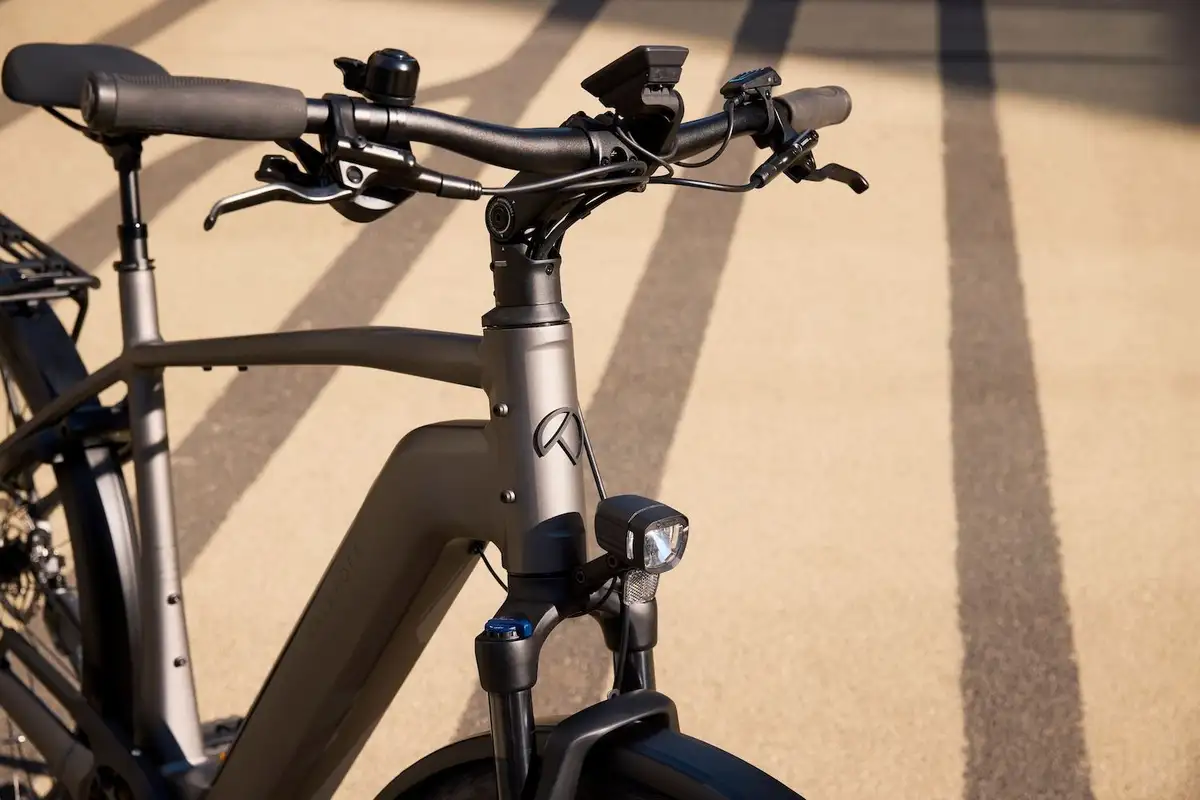
Before you head out into the wet and dark season, it's worth doing a quick technical check. With this list, you'll be on the safe side:
Check your lights: Are your front and rear lights working? Are the batteries charged?
Check reflectors: White at the front, red at the rear, as well as on the pedals and spokes – are they all clean and intact?
Check brakes: Are the brake pads thick enough? Do they grip reliably even in wet conditions? Do the brakes grind?
Inspect tires: Is there sufficient tread? Is the air pressure slightly reduced for better traction?
Handlebars & saddle secure: Are all screws tightened? Is everything secure?
Clean & lubricate chain: Is the chain free of dirt and well lubricated with weatherproof chain oil?
Test gears: Do they shift smoothly without sticking or creaking?
Apply rust protection: Have frame parts and screws been treated with care spray or oil?
Mudguards fitted: Are the mudguards clean and securely attached? Does water splash into your face when riding?
Emergency kit with you: Are a mini pump, spare inner tube, multi-tool, and repair kit handy?
Adapt your driving style.
Drive carefully throughout the season.
In addition to equipment and technology, driving style is a key safety factor in autumn. Slippery leaves, wet road markings, and sudden fog make every route potentially more dangerous. Drivers who anticipate these conditions have a clear advantage.
The most important thing is to adjust your speed to the conditions – especially on bends, bridges, or unfamiliar roads. Braking distances also increase in wet conditions, so you should leave more space between yourself and other road users. Large quantities of leaves on the road can be extremely slippery, especially when combined with rain or frost. The same applies to manhole covers, wooden walkways, or tram tracks.
It is also important to drive defensively and with foresight. At dusk, cyclists are more difficult for drivers to see, especially without reflective clothing. Expect that other road users may overlook you and act accordingly with caution.
Conclusion.
Well prepared for the golden season.
Autumn brings special challenges – but also its own unique charms. If you are prepared for changeable weather, shorter days, and slippery roads, you can still cycle safely and relaxedly. Good lighting, reflective clothing, functioning technology, and an adapted riding style are the key to greater safety on the road. Ready for your next tour? Then make sure you're well prepared – and enjoy autumn on two wheels.
Good to know: If you lease your bike through Lease a Bike, you can ride even more carefree – thanks to integrated maintenance, Europe-wide breakdown assistance, and protection against theft or damage.