E-bike trends for 2026: An overview of the six most important developments
Whether for work, shopping, or exercise, e-bikes have long been an integral part of modern mobility. In 2026, this trend will continue to grow stronger thanks to new technologies, sophisticated design, and smart assistance systems. In short, e-bikes are becoming more powerful, lighter, and smarter. But what exactly can users expect in the new year? We present the six most important e-bike trends for 2026 and show what they mean for everyday life.
The most important information at a glance
More power with less weight: New motor and battery systems combine power with compactness.
Automatic gear shifts make riding easier: Intelligent systems take care of shifting gears automatically.
Sporty models are becoming standard: E-gravel and e-MTBs are becoming increasingly popular.
XXL models with higher load capacity: High payloads make e-bikes even more suitable for everyday use—even for families.
Design meets technology: Barely visible batteries and high-tech frames redefine the look.
Smart connectivity including AI features: Apps, updates, and assistance functions are becoming standard.
E-bike trends 2026
E-bike trend #1
Motor and battery – compact meets power
The drive is the heart of every e-bike—and in 2026, we can look forward to a whole new generation of drives. The market has recently developed in two exciting technical directions: on the one hand, there are particularly powerful drive systems such as the new DJI Avinox, which, with a torque of over 100 Nm, have been developed primarily for sporty e-bikes and cargo bikes.
On the other hand, extremely compact, lightweight systems are gaining in importance. Manufacturers such as TQ are focusing on minimalist motors with reduced dimensions that can be seamlessly integrated into slim frames. This results in particularly lightweight e-bikes that are almost indistinguishable from classic bicycles in terms of appearance.
E-bike trend #2
Automatic transmissions are gaining ground
Wrong gear on a hill or frantic shifting at traffic lights – situations like these will increasingly be a thing of the past in 2026. Automatic gearboxes that analyze cadence, speed, and load themselves will take over shifting automatically – precisely and with virtually no wear and tear. This will noticeably improve comfort, reduce operating errors, and increase riding flow, especially on city and trekking bikes.
In combination with modern mid-drive motors, this will make e-bikes even more intuitive and suitable for everyday use. Examples such as the Pinion MGU, which combines a motor and continuously variable transmission, or the Enviolo Automatiq with fully automatic gear selection, show where the journey is headed: toward shifting systems that make riding easier and more relaxed.
E-bike trend #3
Sporty e-bikes — From trend to norm
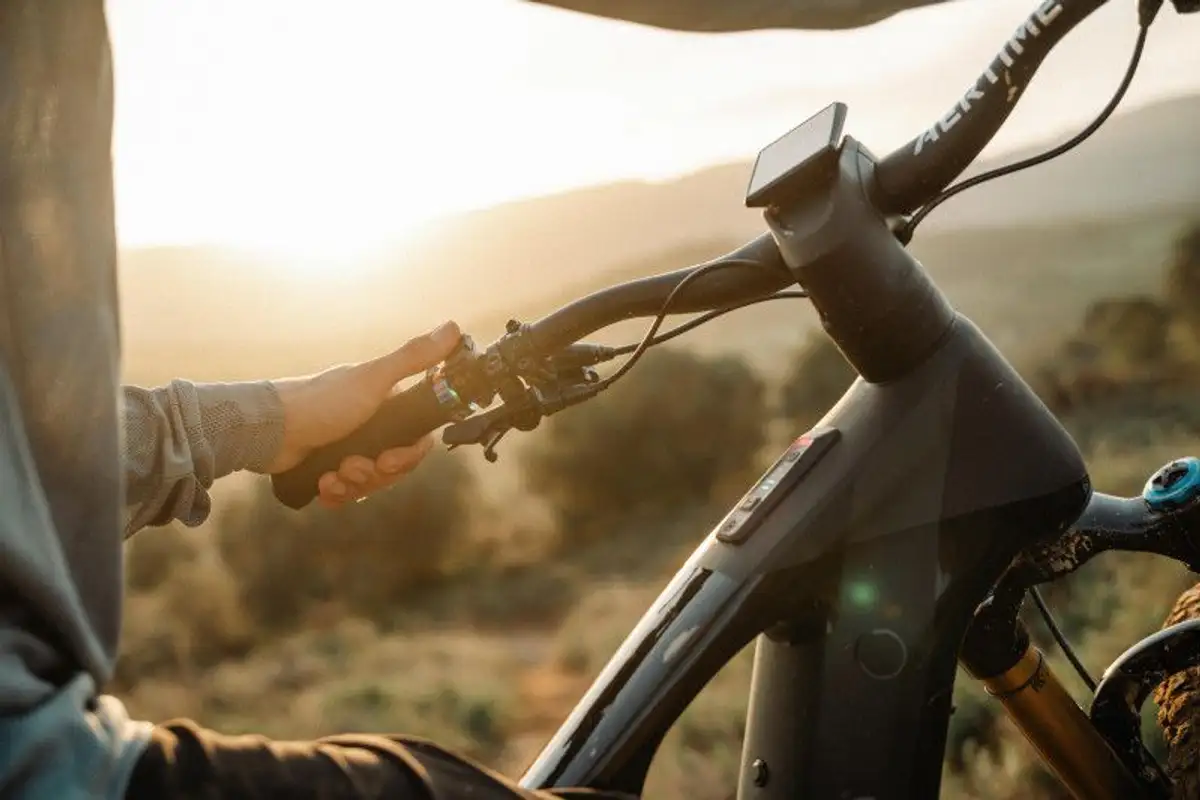
Sporty e-bikes are no longer a niche product. By 2026, they will be an established part of the market. Equipped with powerful motors and state-of-the-art suspension technology, they offer both amateur athletes and professionals an unparalleled riding experience. These models are not only suitable for mountain biking or road cycling, but also for the increasingly popular “gravel bikes.”
Good to know: Gravel bikes are versatile bicycles that combine elements of road bikes and mountain bikes. With their robust construction and wider tires, they are suitable for a variety of surfaces – from asphalt to gravel to light off-road trails. They appeal primarily to outdoor enthusiasts and commuters who value both comfort and sportiness. Click here for our comprehensive gravel bike guide.
E-bike trends 2026
E-bike trend #4
High-load e-bikes and more load capacity in everyday use
A clear trend for 2026: XXL e-bikes with high payloads. Whether for transporting children, doing the weekly shopping, or commuting to work with luggage, models with a load capacity of over 150 kilograms are increasingly in demand. Compact cargo bike models are also part of this development. These models often have extended loading areas, modular superstructures, or child seats with weather protection.
The effect: e-bikes are increasingly becoming a viable alternative to cars, especially in urban areas. For families, commuters, or sustainable delivery services, high-load e-bikes offer a smart, practical, and environmentally friendly solution.
E-bike trend #5
The new lightness of e-bikes
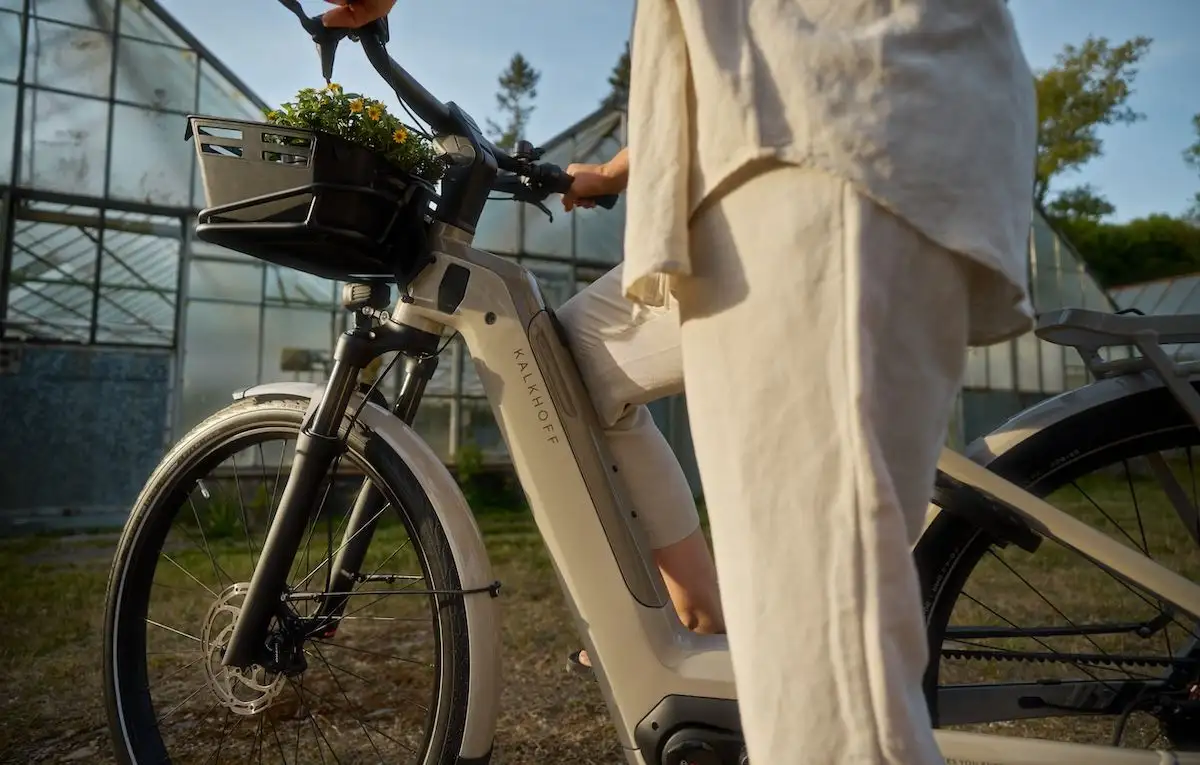
While high-load e-bikes focus on maximum stability and load capacity, there is an equally strong countertrend at the other end of the spectrum: the new lightness of e-bikes. In 2026, slim frames, seamlessly integrated components, and minimalist design will dominate more than ever. In so-called light e-bikes, motors and batteries are visually concealed in the frame, cables run internally – the e-bike then looks like a classic bicycle.
Exciting: thanks to modern materials such as carbon or optimized aluminum, the total weight of many models is increasingly below 20 kilograms – with full equipment. This not only improves handling, but also makes e-bikes attractive to users who value sporty riding, easy carrying, or a stylish city look.
E-bike trend #6
Smart features & AI functions
In 2026, e-bikes will not only be more powerful and lighter, but also significantly smarter. Digital assistants and apps will make cycling more comfortable, safer, and easier to plan. One example of this is the Range Control feature in the Bosch eBike Flow app: this function helps users plan routes without worrying about range by calculating how much battery power will be left when they reach their destination and adjusting the motor assistance accordingly.
The new standard also includes features such as GPS tracking, ride data analysis, and over-the-air updates, which allow motor control and system software to be conveniently updated. The digital offering is complemented by security features such as smart alarm systems and live location tracking in the event of theft. The e-bike is thus finally becoming a connected mobility partner that not only drives, but also thinks for itself.
Conclusion
In 2026, e-bikes will become even more suitable for everyday use—and smarter.
Our overview shows that the world of e-bikes is developing rapidly, with the focus in 2026 on efficiency, comfort, and smart technologies. The new models are not only more powerful, but also more sophisticated in design, easier to use, and ideally connected. Particularly exciting is the integration of AI and automated systems, which noticeably improve the riding experience.
If you want to take advantage of these innovations, Lease a Bike offers an uncomplicated way to get the latest models, including tax benefits and comprehensive service packages. This makes mobility on two wheels more comfortable, more sustainable, and future-proof.