Road bikes explained
What is a road bike? And what can it do? This article explains everything about areas of use, model types, and more—plus tips on road bike leasing.
The most important points at a glance.
Road bikes are lightweight, fast bikes – ideal for sporty rides on asphalt.
Thanks to their efficient seating position, narrow tires, and aerodynamic shape, you can reach high speeds with little effort.
This makes them perfect for training, fitness, racing, or your daily commute to work.
There are different types: aero, endurance, all-round, lightweight, single speed, e-road bikes, time trial bikes, and triathlon bikes.
Road bikes can be leased through Lease a Bike – with tax benefits and comprehensive service.
Good to know: Road bikes are closely related to gravel bikes. Our guide to gravel bikes is available here.
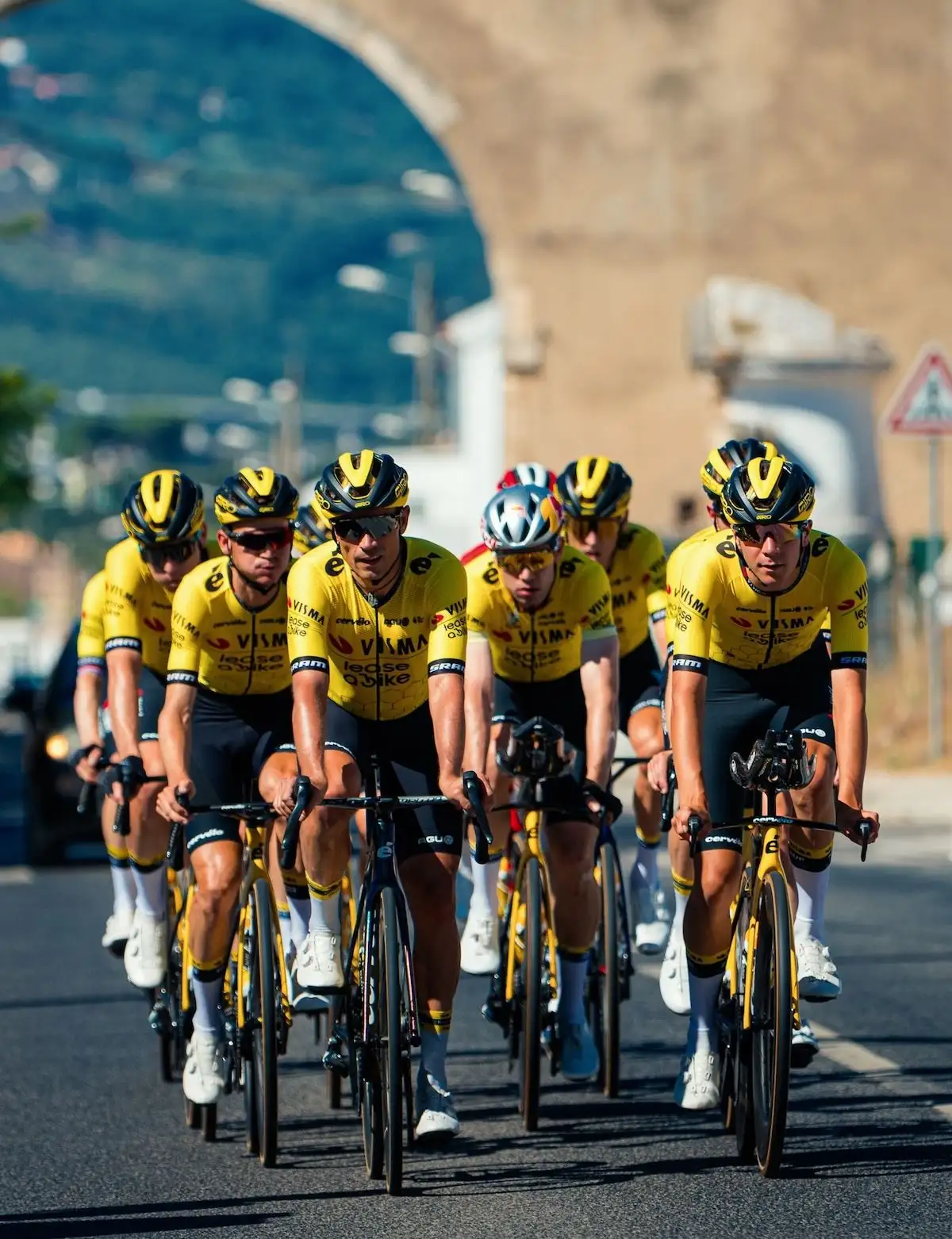
If you want to go really fast, there's no way around a road bike. For more than a century, it has been the sports equipment of choice for professional cycling races such as the Tour de France. And even at the amateur level, more and more people are bringing the unique feeling of efficiency and speed into their everyday lives, which is only possible with a road bike. In short: whether it's an after-work ride, fitness training, or the daily commute to work: the road bike is the answer if you want to pedal fast, sportily, and have a lot of fun.
But what exactly makes a road bike special? Why is it so popular? And how can you ride one without blowing your entire budget? This article provides answers—and also shows how attractive road bike leasing can be.
What is a road bike?
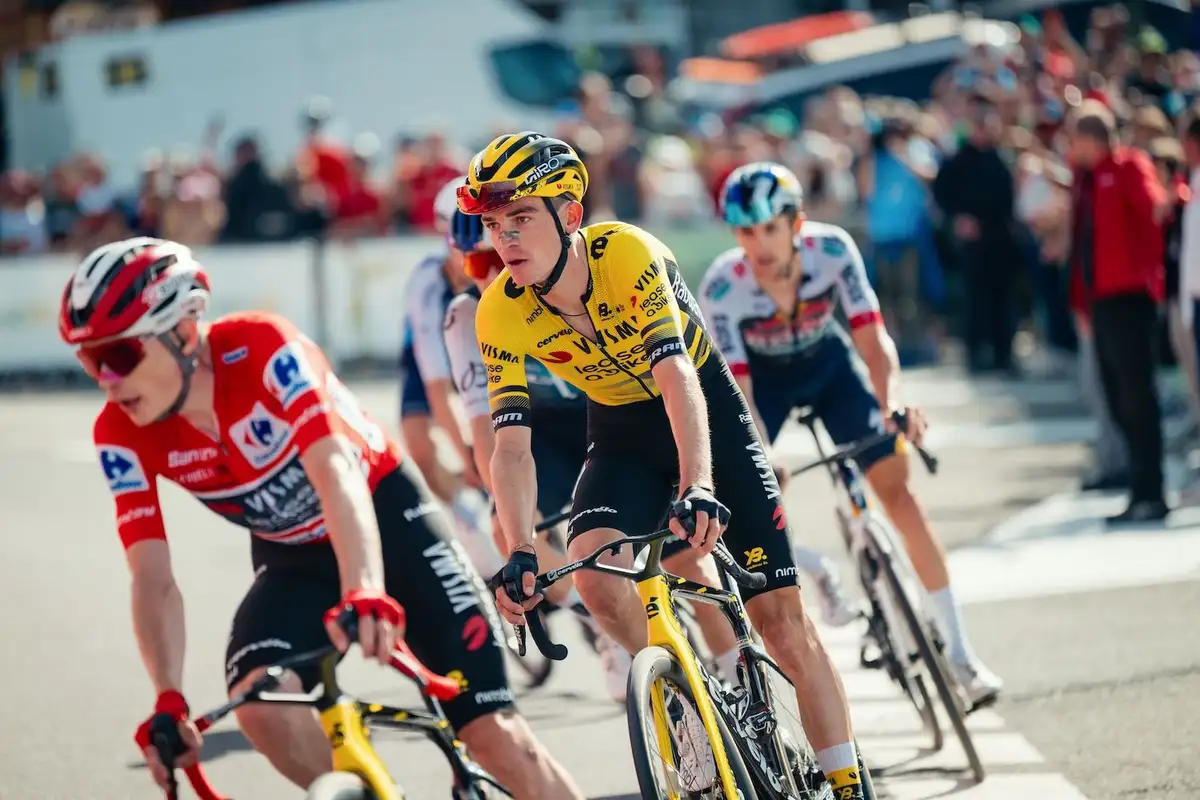
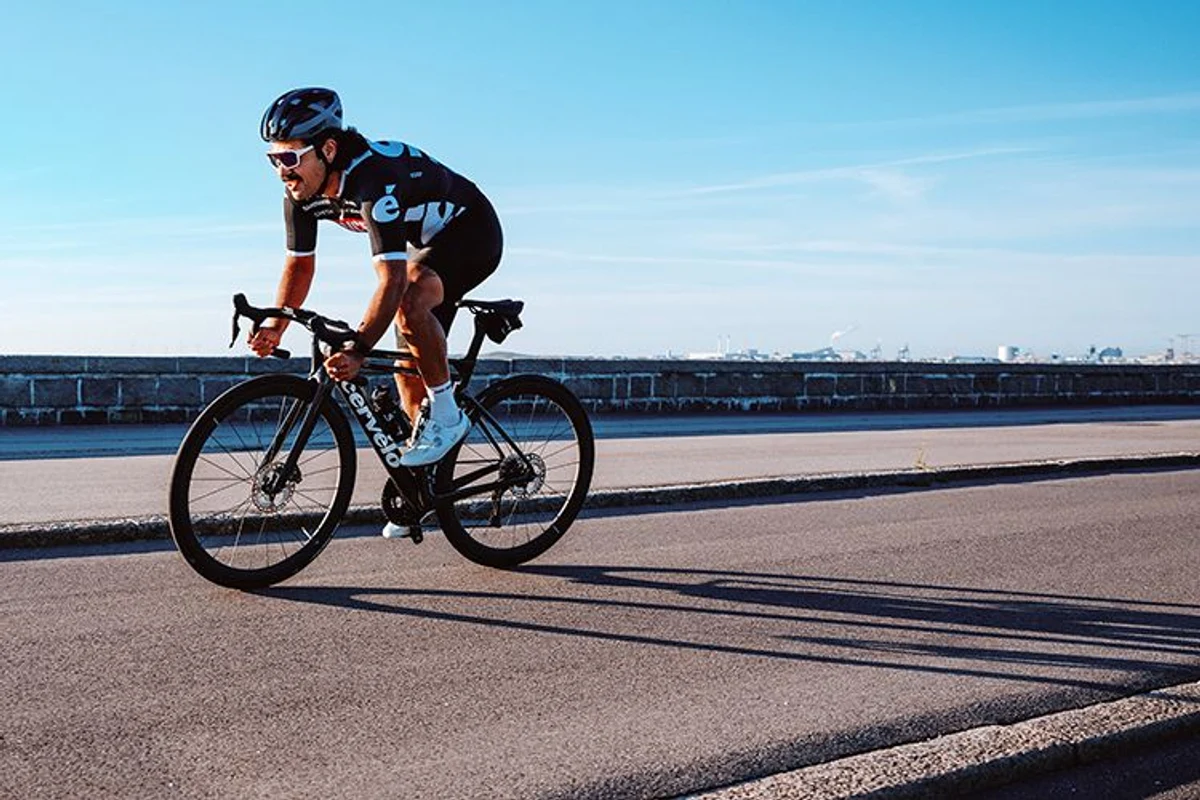
Basically, a road bike is a lightweight, sporty bicycle designed for high speeds on asphalt. Supported by the typical drop handlebars with multiple grip positions, you sit in a particularly aerodynamic position on the bike, which significantly reduces air resistance. In addition, there are high-quality components that are consistently designed for lightness, aerodynamics, and speed. The frame of a road bike is usually made of carbon or high-strength aluminum—material combinations that ensure maximum efficiency and convert every ounce of power directly into propulsion. Today, premium models often weigh less than seven kilograms, putting them in a range that was reserved for professional sports just a few years ago. However, high-quality technology comes at a price, with top models often costing more than €5,000.
Back to the technology: The tires, which are typically very narrow—typical tire widths are between 25 and 32 millimeters—are inflated to a comparatively high pressure (up to 7 bar) in order to keep rolling resistance as low as possible. Standard 2x12-speed gear systems allow experienced riders to reach speeds of over 40 kilometers per hour, even on flat terrain. Electronic gear systems ensure extremely fast and precise gear changes – even under heavy load. Hydraulic disc brakes are used to ensure the necessary safety, providing reliable braking even in wet conditions. Road bikes are usually also equipped with clipless pedals, which further increase pedaling efficiency.
Modern road bikes also offer different geometries – from comfort-oriented to extremely race-oriented. This means that everyone can find the riding experience that suits their own riding style. In short, a road bike is the perfect choice if speed, efficiency, and road performance are the main factors in your purchase decision – whether for training, everyday use, or competition.
In the sports sector, the road bike has two main competitors: the gravel bike and the mountain bike. Which bike is the right one depends primarily on the intended use and personal riding preferences. The following table explains the differences between the three types of bikes:
Road bike vs. gravel bike vs. mountain bike: Here are the differences.
Road bike
Area of use: Asphalt, bike paths, race tracks
Frame geometry: Sporty, stretched, aerodynamic
Tire width: 25–32 mm, smooth
Riding comfort: Low, designed for smooth roads
Handlebar shape: Classic road bike handlebars
Gear ratio: Closely spaced for high cadence on the road
Load capacity/luggage options: None or minimal luggage options
Weight: Light, designed for maximum efficiency
Versatility: Low – primarily for sporty rides on asphalt
Maintenance & stress: More sensitive to heavy stress or dirt
Gravel bike
Area of use: Asphalt, gravel, forest trails, easy terrain
Frame geometry: Comfortable, upright, stable
Tire width: 35–50 mm, treaded
Riding comfort: High, even on uneven surfaces
Handlebar shape: Mostly road bike handlebars with flare (flared lower handlebars)
Gear ratio: Wide range, also suitable for steep climbs
Load capacity/luggage options: Eyelets for luggage racks, suitable for bikepacking
Weight: Somewhat heavier (frame & tires)
Versatility: Very high – also suitable for everyday use and travel
Maintenance & load: Robust, designed for changing conditions
Mountain bike
Area of use: Trails, mountains, technical terrain
Frame geometry: Very upright, highly stabilized, for control on rough terrain
Tire width: 50–65 mm (or wider), coarse tread
Riding comfort: Very high thanks to wide tires and suspension
Handlebar shape: Wide, straight MTB handlebars for maximum control
Gear ratio: Very wide range for steep, technical climbs
Load capacity/luggage options: Rather low, usually only small bags possible
Weight: Significantly heavier (frame, tires, suspension)
Versatility: High off-road, but less suitable for asphalt
Maintenance & load capacity: Highest load capacity, but high maintenance requirements
These road bike types and areas of use are available.
Not all road bikes are the same
While gravel bikes and mountain bikes show their strengths off-road, road bikes really come into their own where speed is key: on asphalt. But not all road bikes are the same. Depending on riding style, intended use, and personal requirements, models can vary considerably—from comfortable to uncompromisingly built for speed. Here is an overview of the most important categories:
All-round road bike: The versatile classic
Balanced geometry, low weight, and a direct, sporty character: the all-round road bike is the modern standard in road cycling. It offers an ideal balance of efficiency, comfort, and control. This makes it suitable for faster commuting as well as training rides and long tours. If you're looking for a “one bike for everything,” this is the one for you.
Race/Pro road bike: Built for best times
Aggressive seating position, ultra-stiff frame construction, and first-class components: a race bike is uncompromisingly designed for performance and usually weighs less than 7.5 kilograms. Thanks to its low weight and stiff components, every movement is immediately converted into acceleration. Particularly ambitious riders benefit from this direct riding experience. Here, you feel especially close to the professional peloton.
Endurance road bike: comfort for long distances
With more relaxed geometry and better vibration damping, an endurance bike is a comfortable alternative to the classic race model. Small bumps—such as those caused by cobblestones—are noticeably better absorbed. This makes it ideal for long rides, cycling marathons, or commuters who regularly rack up a lot of miles. Beginners also feel particularly comfortable on this type of bike.
Aero road bike – speed beats everything
If you want to be as fast as possible, there's no way around an aero bike. The frame is aerodynamically optimized, often with high-profile rims, integrated cables, and flat tube shapes. This design saves valuable watts at high speeds—especially on flat terrain. Aero bikes are becoming increasingly popular, especially in professional sports and among ambitious amateur cyclists.
Time trial bike & triathlon bike: Aerodynamics without compromise
These special bikes are perfect for solo best times – whether in triathlons or individual time trials. Their seating position and special handlebar attachments minimize air resistance as much as possible. They require good riding skills and are used almost exclusively on closed courses. They are the first choice for athletes chasing seconds.
Singlespeed & Fixie: Efficient & minimalist
Just one gear, no compromises: single-speed bikes (with freewheel) and fixed-gear bikes (without freewheel) stand for simplicity and style. Less technology means less maintenance—and at the same time excellent pedaling technique, because you have to constantly vary your cadence. They are particularly popular in urban areas because they are light, agile, and extremely clean in appearance. For sporty riders who love minimalism.
E-road bike: Support for even greater range.
Electric road bikes combine classic road feel with motor power. They extend your range, even out performance levels in groups, and make longer or mountainous routes easier. Modern systems are so well integrated that e-road bikes are visually indistinguishable from conventional bikes. Perfect for anyone who wants to experience more—even on demanding tours.
Buying a road bike: Seven steps to finding the right road bike.
The various road bike models show that a road bike offers many possibilities—but which model really suits your personal preferences? To help you keep track of your options, we have created a simple guide with seven questions to help you find the perfect road bike:
Define the area of application
Consider the routes you will mainly be riding on – fast country roads, your daily commute, or mountainous regions. Different types of road bikes are suitable for different terrains: aero and race models for high speeds, all-round and endurance bikes for mixed routes, or lightweight climbing bikes for challenging ascents. This will ensure that the road bike is suited to your actual areas of use.
Define your driving style and sporting goals
Decide how sporty you want to be on the road and which seating position suits you best. An extended geometry is ideal for ambitious training and racing, while a slightly more upright posture provides greater comfort in everyday use. Your personal performance level should be reflected in the model you choose—regardless of whether you are a beginner or an experienced rider.
Choice of material: carbon or aluminum?
Carbon frames are particularly light, stiff, and comfortable—ideal for riders who value maximum performance. Aluminum is more robust, less expensive, and excellent for beginners. Decide how important weight, comfort, appearance, and budget are to you. Both materials offer modern technology, but differ significantly in price and riding characteristics.
Choose the right equipment
Ensure you select a suitable gear ratio for your terrain: 2x12-speed gear systems are now considered standard and enable both efficient climbing and high speeds on flat sections. Electronic gear systems operate quickly, precisely, and reliably, but are more expensive. Test rides with different setups will assist you in making your decision.
Brand choice meets personal preferences
Road bikes from different manufacturers differ in terms of riding experience, design, and technology—even within the same category. Well-known brands such as Specialized, Cannondale, Giant, Cube, Trek, BMC, and Canyon offer a wide variety of bikes, from entry-level to professional models. Pay attention to which brand appeals to you most in terms of workmanship, ergonomics, and appearance.
Plan your budget and financing realistically
High-quality racing bikes with carbon frames and premium components can quickly cost many thousands of euros. With a leasing model such as Lease a Bike, you remain financially flexible and still benefit from top technology—without having to make a large one-off payment. At the same time, you get predictable monthly installments and, if desired, service packages for worry-free riding.
Ensure fit and ergonomics
To ensure you ride efficiently, comfortably, and healthily, your road bike must be optimally suited to your height and leg length. Professional size advice or bike fitting at a specialist retailer is worthwhile for everyone—regardless of your athletic ability. Only a perfectly fitting bike will bring long-term enjoyment and prevent strain.
Lease a road bike with Lease a Bike: The smart alternative.
A leasing model with a provider such as Lease a Bike offers numerous advantages for both employees and companies:
Up to 40% cheaper than buying: salary conversion saves you income tax and social security contributions – particularly worthwhile for high-quality road bikes and e-road bikes.
No large one-off payment: Instead of paying several thousand euros at once, you make predictable monthly installments – without any financial pressure.
Comprehensive protection included: Inspections, repairs, and theft protection can be included in the leasing package – for worry-free riding at no extra cost.
Large selection of brands: Whether you're looking for a sporty aero road bike or a comfortable endurance racer, at Lease a Bike you'll find models from top brands such as Cannondale, Canyon, Giant, and Stevens.
Simple processing: Your company signs a leasing agreement, you select your desired bike online, and you're ready to ride. Fast, digital, and uncomplicated.
Flexible options at the end of the contract: After 36 months, you decide: keep the bike, lease a new one, or simply return it – whatever suits your needs.
Ready for more speed?
Then it's time for the road bike.
Our overview shows that road bikes combine efficiency, speed, and athletic performance like no other bike. They are ideal for anyone who wants to get ahead quickly—whether on the way to work, during fitness training, on ambitious weekend tours, or even in hobby races and cycling marathons. Thanks to a variety of models – from comfort-oriented endurance road bikes to aerodynamic top-of-the-range models – everyone can find a race bike that perfectly suits their riding style.
Getting started is particularly attractive with road bike leasing through Lease a Bike: you get access to high-quality brand-name road bikes, benefit from significant tax savings, and enjoy worry-free riding at all times thanks to optional comprehensive protection packages – all without a high initial investment. So if you want to be flexible, sporty, and smartly mobile, you should take a closer look at the advantages of the leasing model. In short: your next road bike ride is already waiting – so get on your saddle.