Sustainable mobility in companies: 7 measures that work
From company bike leasing and mobility budgets to shower facilities at work—in this article, we show how companies can promote sustainable mobility with seven specific measures.
The most important information at a glance
Sustainable mobility reduces emissions, increases well-being, and lowers costs for companies.
Modern mobility options such as company bike leasing or mobility budgets are tax-efficient and easy to implement.
A sustainable mobility culture is not created through bans, but through meaningful incentives and infrastructure.
Communication and genuine use are crucial – greenwashing does more harm than good.
It's not just the big players that are in demand – small businesses can also achieve big effects with little effort.
Long commutes, crowded roads, and parking shortages—many people are familiar with the daily challenges of getting to work. The good news is that companies can address these issues and create a sustainable mobility culture with well-thought-out measures. This is especially true since companies often don't need to make large investments to enable their employees to use more environmentally friendly modes of transportation.
Whether it's company bike leasing, mobility budgets, or better infrastructure for bicycle commuters, many measures can be implemented with manageable effort. The decisive factor is not so much the financial investment as the willingness to rethink mobility and actively develop existing structures.
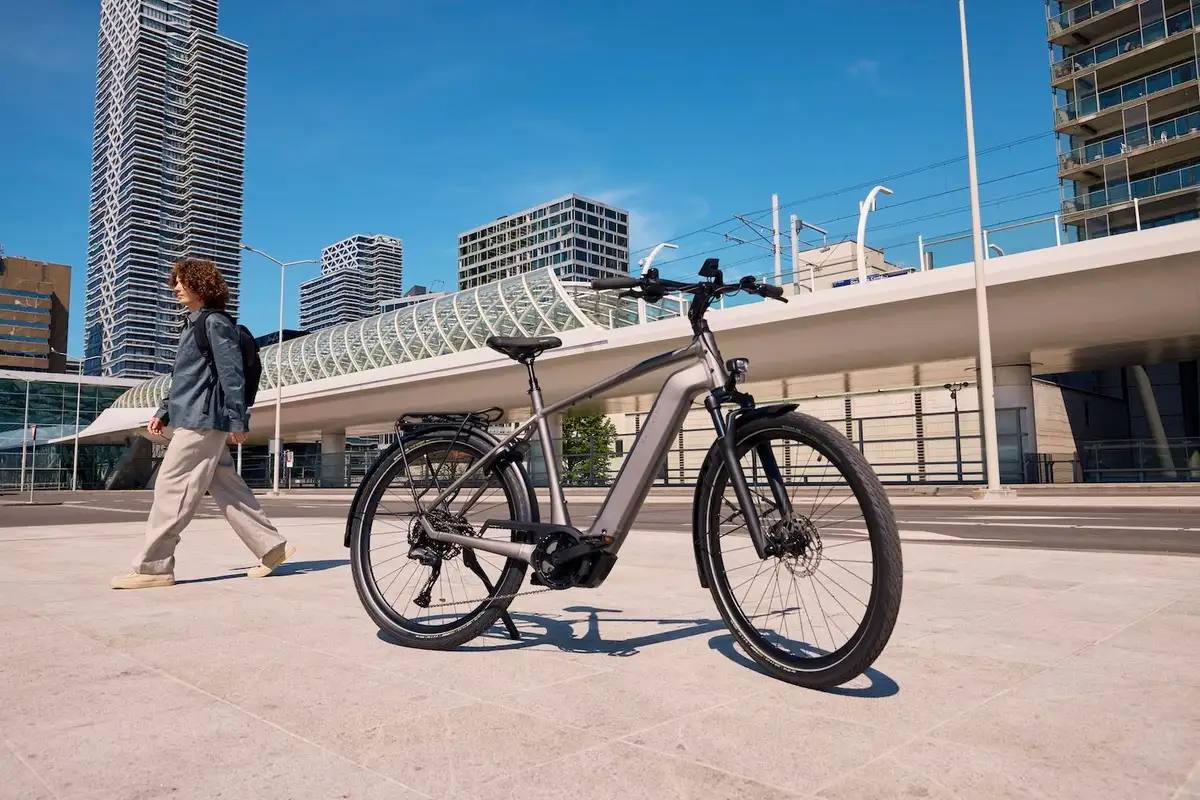
Sustainable mobility has long been more than just a “nice-to-have”: it is increasingly becoming a strategic success factor – for attracting new talent, retaining employees in the long term, and, last but not least, achieving internal corporate climate goals. Those who act early are taking responsibility – and demonstrating that they are modern, future-oriented employers.
Below, we present seven practical measures that companies can use to promote sustainable mobility credibly and effectively.
Actions for employers to support sustainable commuting
Offer company bike leasing
Company bike leasing is one of the most effective measures for sustainable mobility in companies. Through a tax-privileged salary conversion model, employees can use their dream bike—whether it's an e-bike, city bike, or cargo bike—for both work and private use. The cost to the company is low, but the effect is all the greater: employees receive an attractive employee benefit that makes it easier to switch from car to bike. Providers such as Lease a Bike take care of everything, including service, maintenance, and insurance. The result is a completely carefree mobility offer that can lower CO2 emissions on the commute to work and is economically attractive – for everyone involved.
Mobility budget instead of company car
A monthly mobility budget offers employees flexible options for making their commute sustainable—whether by public transport, bicycle, car sharing, or on foot. In contrast to the traditional company car model, the focus here is not on status symbols, but on individual mobility. The budget can be allocated on a flat-rate or usage-based basis and is tax-deductible. This makes companies more attractive to younger target groups and urban employees who value climate protection and self-determination. At the same time, traffic volume and parking pressure are reduced – a win-win situation for the environment and the company.
Improving infrastructure for bicycle commuters
If you want to encourage employees to cycle, you need to create the right conditions. These include secure, covered bicycle parking spaces, charging stations for e-bikes, and lockable lockers. Shower and changing facilities are particularly important, as they make cycling attractive even for longer distances or in bad weather. The cost of implementation is usually manageable, especially in new buildings or renovations. But the impact is significant: acceptance and use of sustainable modes of transport increases, as does the feeling of appreciation within the team. Good infrastructure sends a strong signal – without the need for big words.
Subsidies for public transport or the Germany ticket
A subsidy for the Deutschlandticket or regional public transport passes is a simple yet effective measure to promote sustainable mobility. The subsidy can be tax-free and helps employees reduce their daily commuting costs. This benefit is particularly appreciated in urban areas or when fuel prices are high. At the same time, the company contributes to the transport revolution and positions itself as a responsible employer. Combined with a mobility budget or company bike leasing, this creates an attractive overall package that combines flexibility, sustainability, and financial relief.
Promote carpooling and ride-sharing platforms
Not every commute can be made by bicycle or public transport – especially in rural areas, where cars are often the only option. This makes it all the more important to actively support carpooling. Companies can set up their own carpooling exchanges or use existing platforms. Reserved parking spaces for carpoolers or small bonuses per kilometer driven together further increase the appeal. This not only reduces emissions and costs, but also strengthens the sense of community within the team. Carpooling is a pragmatic solution with a direct impact – especially where there is a lack of alternatives.
Enabling sustainable business travel
Sustainability does not end at the factory gate – business travel also offers significant opportunities for change. Companies should establish clear travel guidelines that favor rail travel, digital meetings, or long-distance buses over domestic flights. Promoting railcards or climate-friendly travel expense reports signals a sense of responsibility and reduces emissions compared to travelling by car or plane. For shorter distances, rental bikes or e-scooters are a good option, and their use can be easily integrated into existing mobility budgets. The result: those who make sustainable travel the norm can reduce CO₂ emissions and strengthen the company's role model function.
Actions and communication on mobility culture
Measures alone are not enough—what matters is how they are communicated and integrated into everyday life. Initiatives such as “Cycle to Work,” mobility days, bicycle repair workshops, and e-bike test weeks make offers visible and tangible. Transparent communication about existing benefits, funding opportunities, and contact persons is also important. In short: making mobility a topic of conversation promotes awareness and willingness to change.


Conclusion
Small measures, big impact
The seven measures presented show that climate protection, employee satisfaction, and operational efficiency are not mutually exclusive. After all, many people are familiar with the challenges associated with commuting to work, whether it be traffic jams, a lack of parking spaces, or commuter frustration. Companies that take action in this area are not only taking responsibility, but also offering concrete solutions that really make a difference in their employees' everyday lives. In this way, sustainable mobility is transformed from a buzzword into a living reality – without any significant additional effort.
Would you like to know how bike leasing works in your company? Then visit the Lease a Bike website now to find out about the benefits for employers.