


Spring Bike Check: 10 Tips for a Safe Start to the Season
Get off to a safe start this spring: These 10 tips will show you how to get your bike or commuter bike ready after the winter break.
Key points at a glance.
Thoroughly clean your bike
Check the tires and tire pressure
Check the brakes
Maintain the chain and drivetrain
Check the lighting system and electronics
Tighten screws and connections
Adjust suspension and damping
Use Jobbike’s service offerings
Restock your repair and first-aid kit
Take it for a test ride
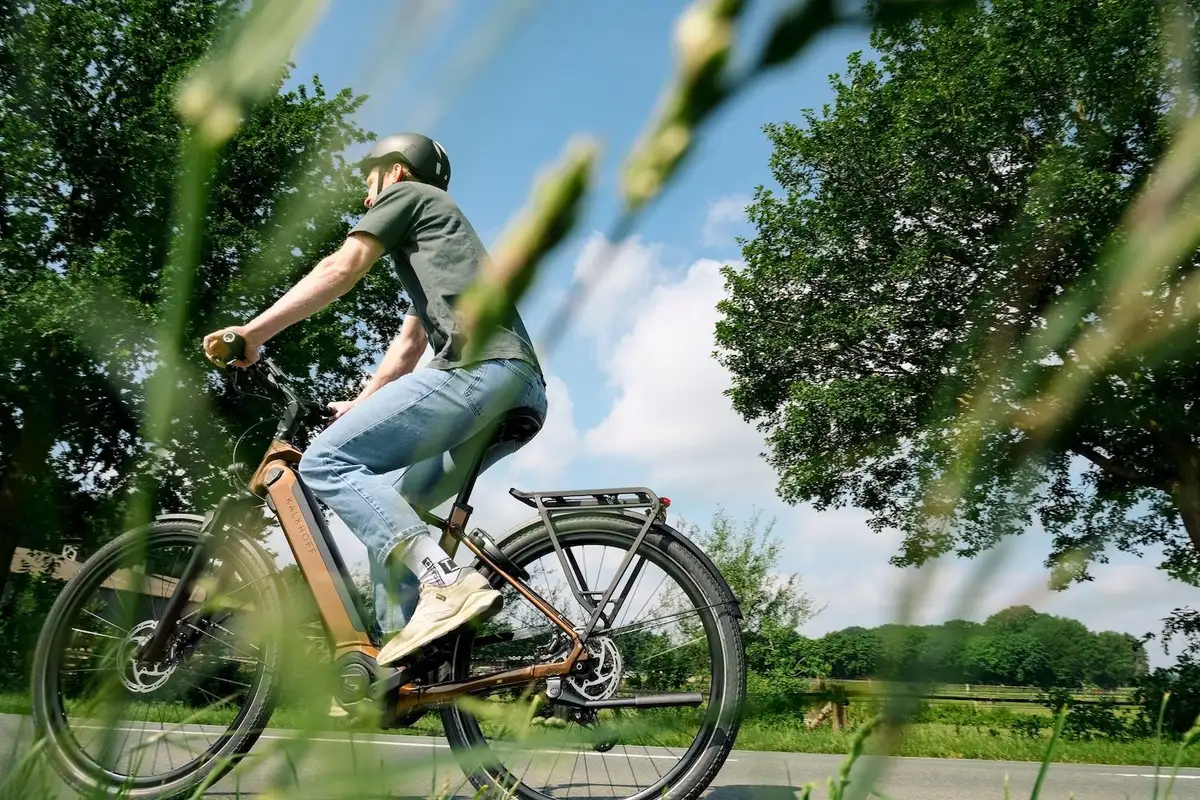
For many cyclists, the first rays of spring sunshine mark the start of the best time of the year. Whether you’re commuting to work, heading out for a ride in the countryside, or simply using your bike for everyday travel—your bicycle or e-bike should be in top shape after the winter break to get you safely and comfortably through the new season. A structured spring check not only ensures more riding enjoyment, but above all safety, comfort, and a long service life for your bike. Below, we’ll show you what such a spring bike check entails.
Cleaning Your Bike: How to Start Spring Off Right
Before you begin the technical inspection, you should clean your bicycle—or e-bike—of dirt, dust, and residue from the previous season if it has been sitting unused for a long time. For this, you will need:
A bucket of warm water and some bike cleaner or mild dish soap
A soft sponge or brush
A soft cloth for drying
Tip: Avoid aggressive high-pressure washers, as they can damage sensitive components such as bearings or seals.
Check the tires and tire pressure
Tires often lose air after being left unused for a long time. This is especially common after the winter break. Check:
the tire pressure: Follow the manufacturer’s recommendations, which are usually found on the sidewall of the tire.
the sidewalls and tread for cracks, porosity, or wear.
Tip: Proper tire pressure ensures lower rolling resistance, better comfort, and reduced wear.
Spring brake check for bicycles and e-bikes
Brakes are critical to safety and should be inspected with particular care. Check the following:
Brake pads: If they are worn down, they should be replaced.
Disc brakes: Check the discs for dirt and oil residue.
Brake lever: The bite point should be clearly and immediately noticeable.
Tip: If you are unsure, it is recommended that you have the brake system inspected at a professional repair shop.
Properly Maintain Your Chain and Drivetrain
A clean, well-lubricated drivetrain improves power transfer and extends the life of the chain, cassette, and chainring. Here’s how to do it:
Cleaning: Remove old grease and dirt with a chain cleaner.
Lubrication: Use special chain oil and apply it sparingly.
Check the chain for wear: A chain wear tester from a specialty store can help here.
Tip: The sprockets and bottom bracket should also be checked for wear, as they are subject to higher loads. This is especially true for e-bikes.
Check the lighting system and electronics
Lighting conditions change frequently, especially in the spring. For e-bikes and regular bicycles equipped with lights, it is therefore crucial that they work properly:
Lights: Check that the front and rear lights are working and replace any faulty bulbs or LEDs.
Electronics: For e-bikes, the battery and motor should be thoroughly inspected.
Tip: Fully charge the battery and check the range after the winter break.
Tighten screws and connections
Vibrations generated while riding can cause bolts and connections to loosen. During bike care and maintenance, tighten all relevant components:
Handlebars and stem
Pedals
Rack and fenders
Tip: Use a torque wrench to ensure you follow the manufacturer’s recommended torque settings.
Adjusting Suspension and Damping Properly
If your bicycle or work bike is equipped with a suspension fork or shock absorber, these should be checked during your spring bike check and readjusted if necessary:
Travel and air pressure: Take your individual riding style and intended use into account.
Maintenance: If seals are leaking or you hear unusual noises, the suspension should be serviced at a professional bike shop.
Tip: A properly adjusted suspension not only increases riding comfort but also improves control and safety. If in doubt, seek advice from a professional bike shop or use the manufacturer’s setup recommendations to optimally adjust the fork and shock to your weight and riding style.
Jobbike benefit: Inspections and replacement of worn parts are often included
If you use a Jobbike through a company bike leasing program, you can benefit from comprehensive services. Leasing providers, such as Lease a Bike, offer flexible all-around coverage that can be customized to your individual needs. You can choose options for theft and damage protection, inspections, and repairs due to wear and tear. For you, this means:
Regular inspections: Depending on the option you choose, various inspections are included in the lease agreement, so you can have your bicycle or e-bike serviced at the shop with minimal out-of-pocket costs or at no additional cost.
Wear and tear coverage: Whether it’s brake pads, tires, or the chain—the replacement of wear-and-tear parts is covered either partially or in full, depending on the option you choose.
Quick assistance in case of breakdowns: Should a breakdown occur while on the road, Lease a Bike’s free Europe-wide mobility guarantee ensures a quick repair.
Tip: Review your leasing agreement and take advantage of the comprehensive benefits of corporate bike leasing. This way, you can start the new cycling season worry-free and in comfort.
Add a breakdown and first-aid kit
Ein gut ausgerüstetes Fahrrad sollte immer ein kleines Pannenkit enthalten:
Ersatzschlauch oder Flickzeug
Mini-Werkzeugset
Luftpumpe
Ersatzakku (bei E-Bikes)
Tipp: Besonders bei längeren Touren ist es beruhigend, kleinere Reparaturen selbst durchführen zu können.
Don't forget the test drive
After bike care and maintenance, a test ride is essential. It’s only during the first few meters that you’ll know whether all the work was done correctly and whether your bike or Jobbike really feels right. Be sure to set aside a few minutes for this and specifically test the following points:
Gears and brakes: Make sure the gears shift smoothly and without delay, and that the brakes engage evenly, powerfully, and with a clear bite point.
Riding feel and balance: Check whether the bike runs smoothly, remains stable, and steers safely—both at low and slightly higher speeds.
Adjustments such as saddle height and handlebar position: Check whether the seating position and handlebar reach still fit and that nothing has shifted.
Listen for noises: While riding, pay close attention to unusual noises such as creaking, grinding, or rattling. These can indicate loose bolts or misaligned components and should be adjusted immediately.
Tip: Ideally, take your test ride on a short route with varied terrain and gentle inclines. This will help you determine more quickly whether your bike is truly ready for everyday use.
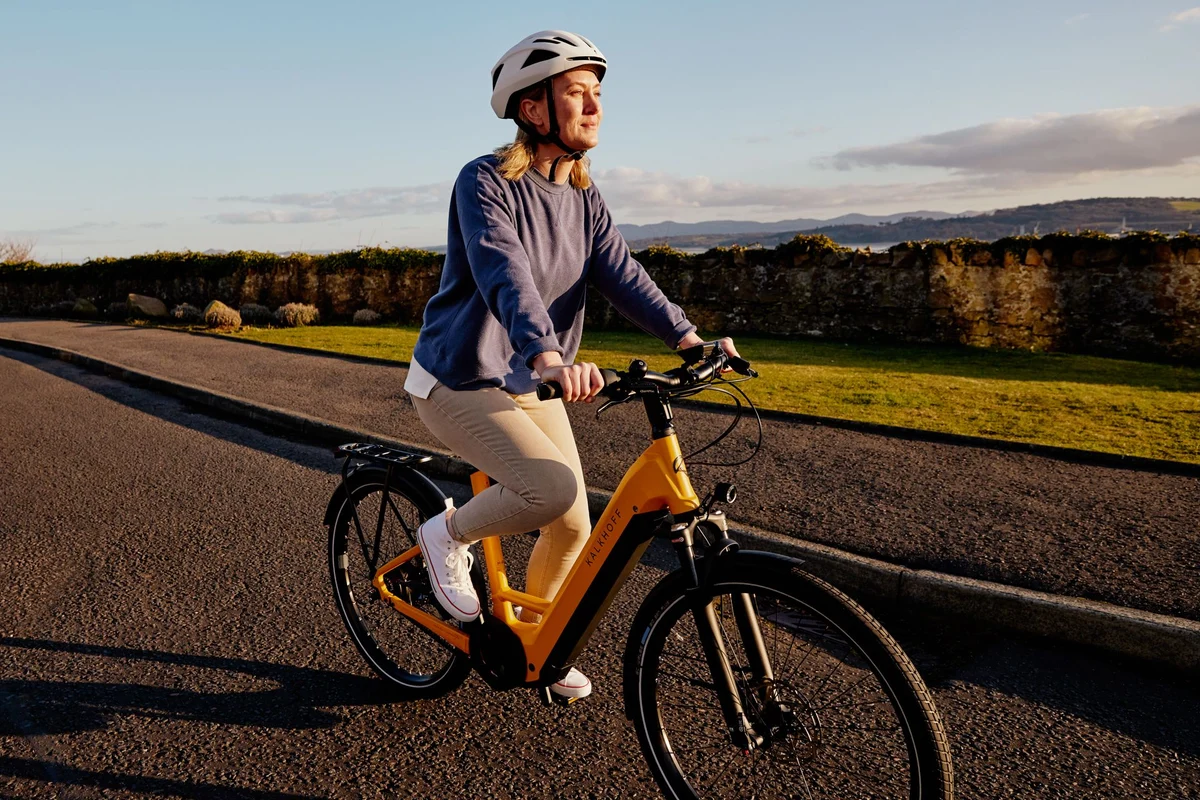
Start the spring season—safely, comfortably, and full of energy!
A well-maintained bicycle or e-bike not only guarantees a fun ride, but also safety and durability. Jobbike users in particular can benefit from professional maintenance packages and insurance plans. With a little care, you can start the new season worry-free and motivated.
Take advantage of this opportunity and get your bicycle or e-bike ready for spring now. And if you don’t have a Jobbike yet, now might be the perfect time to get one. With savings of up to 40% compared to buying directly, company bicycle leasing with Lease a Bike is definitely worth it. Request your free information package now.