


Bicycle culture worldwide: 5 cities with modern urban cycling mobility
Bicycle-friendly cities such as Amsterdam, Copenhagen, New York, Paris, and Tokyo demonstrate how consistent infrastructure and modern transportation policies promote cycling. In this article, we explain how and why bicycles have become a central component of urban mobility in these cities.
The most important information at a glance
High proportion of bicycle traffic in pioneering countries: In the Netherlands and Denmark, bicycles are one of the most important modes of transportation in everyday life.
Infrastructure as the key to success: Safe bike lanes, bike parking facilities, and fast connections promote sustainable use.
Bikes as part of urban mobility: In cities such as Tokyo, Paris, and New York, bikes are increasingly being integrated into modern transportation systems.
Political support accelerates development: Investments and mobility strategies strengthen bike traffic in the long term.
Commuter traffic drives usage: More and more people are using bicycles for their daily commute.
Bicycle culture improves quality of life: Less traffic, better air quality, and more efficient mobility are key benefits that cities experience when they implement bicycle infrastructure measures.
The bicycle has long been more than just a means of transportation—it is a central component of modern urban mobility. In many cities around the world, this development has also led to the emergence of a distinctive cycling culture: people commute to work by bike, use it for shopping, or combine it with public transportation. The extent to which the bicycle is integrated into the transportation system depends largely on infrastructure, political support, and social acceptance.
Cities such as Amsterdam, Copenhagen, New York, Paris, and Tokyo show how differently bicycle culture can develop – and what role it plays in sustainable mobility. They are considered pioneers of a development in which cycling is increasingly becoming an efficient alternative in urban areas and making the bicycle an integral part of modern transport systems. In the following, we take a closer look at these metropolises and their respective bicycle cultures.
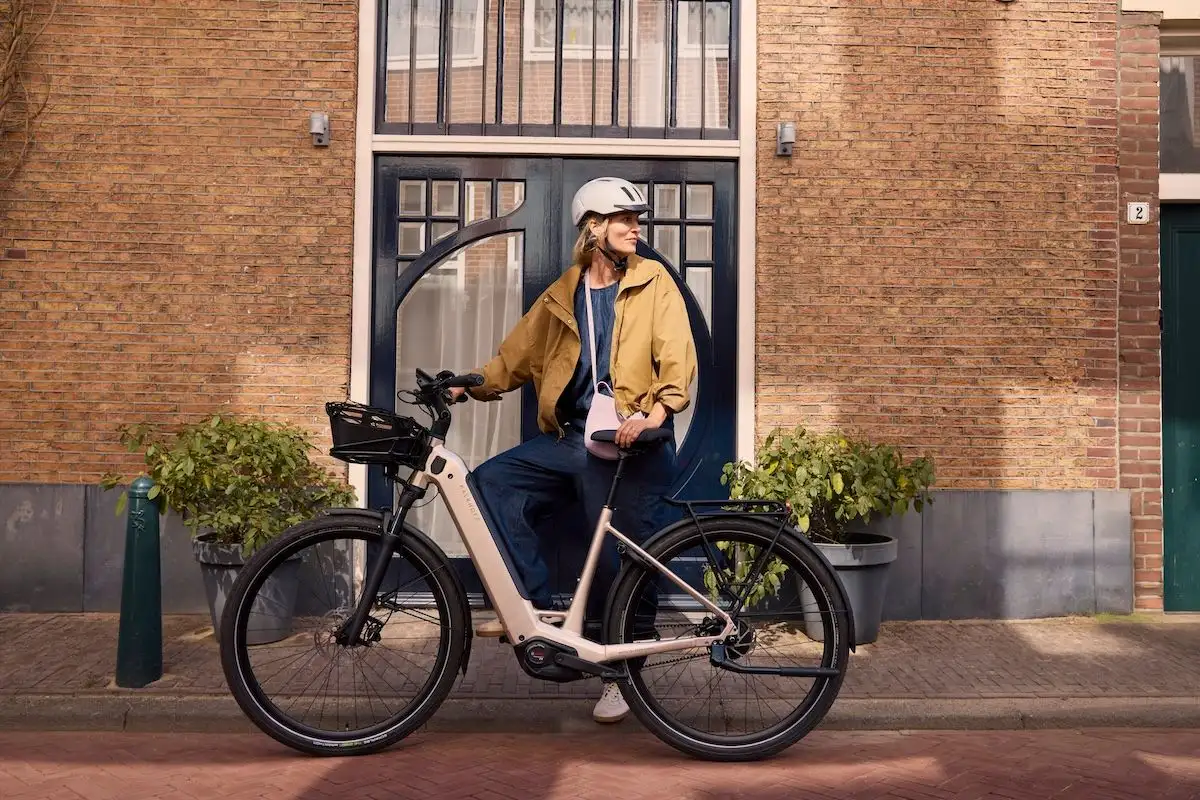
What does bicycle culture mean—and why is it so important for cities?
Bicycle culture describes the role of bicycles in everyday life, in the transport system, and in society. It is reflected in well-developed bicycle infrastructure, high usage in commuter traffic, and social acceptance of bicycles as a natural means of transport. In cities with a strong bicycle culture, bicycles are not just recreational equipment, but a central component of urban mobility.
Bicycle culture in Amsterdam
Cycling as the norm
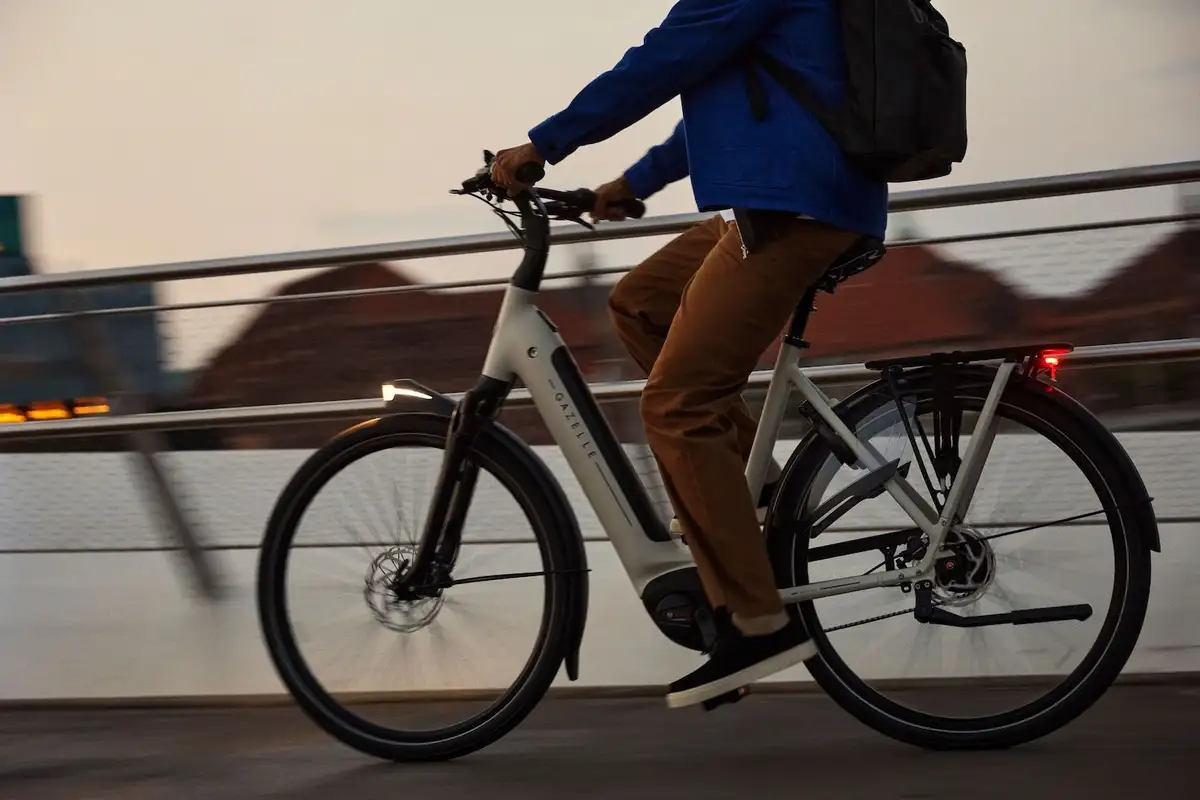
When it comes to cycling culture, the Netherlands is probably the best-known example. Here, bicycles are not just a means of transportation, but a real lifestyle. It is therefore no surprise that Amsterdam is considered one of the most bicycle-friendly cities in the world. Around a third of all journeys here are made by bicycle.
This is made possible by a dense network of safe bike paths, clearly separated traffic lanes, and large bicycle parking garages at central transport hubs. The bicycle is therefore the most efficient means of transport for short and medium distances in Amsterdam. Commuters, students, and families use it every day to get to work, school, or the shops.
Copenhagen's cycling culture
Result of consistent transport policy
Copenhagen is considered one of the most progressive examples of modern cycling culture worldwide. In the Danish capital, bicycles are part of everyday life for a large part of the population – especially for commuting. Many Copenhageners use their bikes every day to get to work, school, or the city center. Here, bicycles are not just an alternative, but often the fastest and most efficient means of transportation in urban areas.
A key factor is the consistently expanded bicycle infrastructure. Wide, structurally separated bike lanes ensure safety and comfort, while so-called bicycle expressways provide a particularly fast connection between city districts and suburbs. At the same time, the city has formulated clear political goals to further strengthen bicycle traffic. This combination of infrastructure, political support, and social acceptance has contributed to the bicycle becoming firmly established in Copenhagen's transportation system.
Bicycle culture in Tokyo
Part of a state-of-the-art transportation system
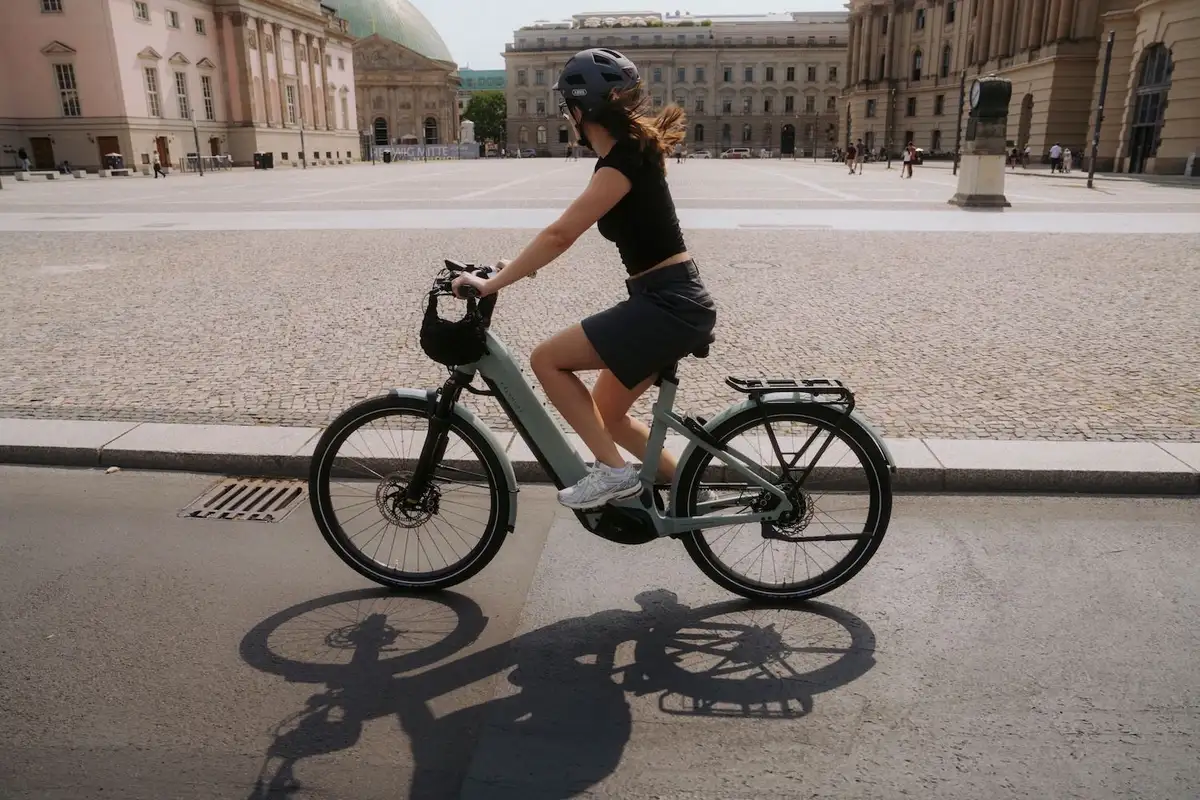
Tokyo is one of the largest and most technologically advanced cities in the world. Nevertheless, bicycles play an important role in everyday life here and efficiently complement public transportation. Many Tokyoites use bicycles for short distances—for example, to get to the nearest train station, to work, or to shop in their own neighborhood.
A special feature of Tokyo's bicycle culture is the integration of modern technology. Automated bicycle parking garages allow bicycles to be stored safely and in a space-saving manner – a decisive advantage in a densely built-up metropolis. At the same time, bicycles are a practical solution for avoiding traffic jams and getting around flexibly in urban areas. Despite the highly developed public transport system, bicycles remain an important part of everyday mobility.
Bicycle culture in New York
Urban mobility meets courier tradition
Over the years, New York City has developed a unique and dynamic cycling culture. A particularly influential factor in this development has been the long tradition of bicycle couriers, who quickly transport documents and packages through the dense city traffic. Their presence has played a decisive role in shaping the image of the bicycle as an efficient means of transport in urban areas.
At the same time, the city has invested heavily in expanding its bicycle infrastructure in recent years. New bike paths, protected bike lanes, and bike-sharing programs have contributed to more and more people using bicycles in their everyday lives. For many commuters, bicycles are now a fast alternative to cars and subways—especially for shorter distances within the city. Bicycle culture in New York is thus continuously evolving and increasingly becoming an integral part of modern urban mobility.

Burning Man
Bicycle culture and creativity on two wheels
A curious bicycle cult that has attracted worldwide attention is the Burning Man Festival—a festival known for its unique art, creativity, and self-expression. Bicycles play a central role in this festival. During the festival, which takes place annually in the Black Rock Desert, bicycles are the preferred means of transportation for participants. However, what makes it special is not only the use of bicycles, but also the way they are designed. The Burning Man community is known for decorating and modifying bicycles artistically. From bright lights and whimsical accessories to unusual frame designs, there are no limits to creativity. These bicycles become true works of art during the festival and are an important part of the unique atmosphere of Burning Man.
Cycling culture in Paris
Targeted infrastructure investments as a basis
Paris has undergone a remarkable transformation in recent years. For a long time, the French capital was heavily dominated by car traffic, but targeted investments in cycling have changed the face of the city. New, protected bike lanes, car-free zones, and extensive mobility programs have led to more and more people using bicycles in their everyday lives.
Cycling is becoming increasingly important, especially for commuting. Many residents use it to get to work or as a flexible addition to public transport. This development shows how quickly cycling culture can change when cities consistently focus on expanding cycling infrastructure and actively promote sustainable mobility.
Bicycle culture in Germany
Between progress and auto country tradition
Germany is considered a cycling country – but at the same time, it is strongly influenced by cars. This dual role is also reflected in transport policy: while cycling is increasingly being promoted as a sustainable means of transport, the infrastructure in many places is still geared towards motorized traffic.
Nevertheless, bicycles play an important role in everyday life. In cities such as Münster, Freiburg, and Berlin, cycling is firmly established, and many people use bicycles for their daily commute or leisure activities. At the same time, developments such as the expansion of bike paths and services such as bike leasing are increasing its importance.
Despite progress, there are still differences between cities and regions. While some municipalities are investing heavily in bicycle infrastructure, others still have some catching up to do. Bicycle culture in Germany continues to evolve – between strong tradition and the shift towards sustainable urban mobility.
Bicycle culture worldwide
A key to future mobility
Examples from Amsterdam, Copenhagen, Paris, Tokyo, New York, and Germany show that cycling culture is no coincidence. It develops where cities invest specifically in safe infrastructure, promote cycling politically, and establish the bicycle as an integral part of urban mobility. Where these conditions are created, the bicycle evolves from a leisure activity to a central means of everyday transportation.
At the same time, it is clear that cycling culture varies around the world. While some cities are already considered pioneers, others are still in the early stages of this development. But the trend is clear: with growing urbanization, increasing traffic congestion, and a focus on sustainable mobility, the bicycle is becoming increasingly important.
The bicycle thus symbolizes a new form of urban mobility—efficient, space-saving, and sustainable. Cities that specifically promote cycling not only create better traffic conditions, but also more livable urban spaces for their residents.
Have you already found your dream bike?
Have you already found your dream bike? If not, take a look at our Bikefinder and find the perfect company bike with Bike Leasing and Lease a Bike.