


Company Bike Leasing: What Happens When the Lease Ends?
What happens when a company bike lease ends? Is it worth buying the bike, or does it make more sense to lease a new one? Many employees face this exact decision after about three years. The good news is that there are several options—and each has its advantages. In this article, we’ll walk you through what happens after a company bike lease ends and how to make the best decision.
Key points at a glance
A standard company bike lease typically lasts 36 months.
At the end of the term, the bike can be purchased, returned, or replaced.
The bike is usually purchased at a reduced residual value.
A new company bike lease can be arranged immediately afterward.
The decision depends on usage, condition, and personal needs.
In recent years, company bike leasing has evolved from a niche offering into a widely adopted alternative or supplement to public transportation and company cars. Tax incentives, in particular, have made this model especially attractive. It is therefore not surprising that many companies now offer leasing options for bicycles and e-bikes, enabling a large number of employees to afford a high-quality commuter bike.
Once the lease term expires—usually after 36 months—many company bike users face a key question: What happens next? The bike has long since become part of their daily routine, whether for commuting, sports, or leisure rides. It is therefore important to make the right decision for the period after the company bike lease ends. This is not just a matter of cost, but also of convenience, habit, and future mobility needs. Those who are familiar with the various options can make an informed decision about whether purchasing the bike is worthwhile or if a new company bike lease is the better choice.
End of the service plan: What options do you have once the term ends?
Once your company bike lease has ended, you generally have three options:
Purchase the existing company bike
Return the bike and enter into a new lease agreement
A combination of purchasing the bike and entering into a new lease
Each of these options has its own advantages and depends heavily on your individual needs.
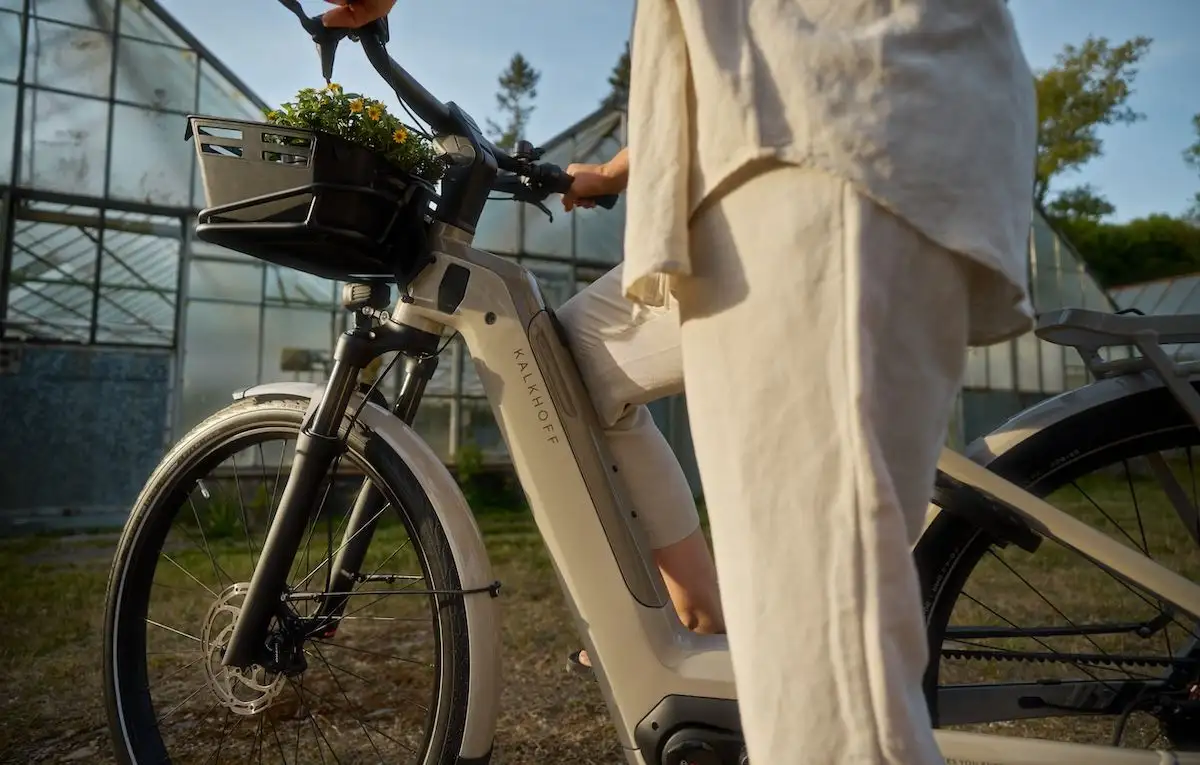
Option #1: Adopt the existing service chart
For many people, taking ownership of their existing company bike is an obvious and often sensible decision. After several years of heavy use, the bike is perfectly tailored to their needs and has proven itself in everyday use. At the same time, taking ownership offers the opportunity to continue riding a high-quality bike at a comparatively low price—without any additional effort or adjustment.
Reasons to take over your existing company bike:
Cost-effective takeover: At the end of the lease term, the bike can often be purchased at an attractive residual value, if desired and subject to availability.
Proven quality: You’re already familiar with the bike; it’s been customized and is well-broken in.
No adjustment period: Saddle, handlebars, brakes—everything is familiar; no need to switch to a new model.
Sustainability: Continuing to use the bike beyond the lease term conserves resources and reduces your environmental footprint.
Option #2: Buying a new leased car
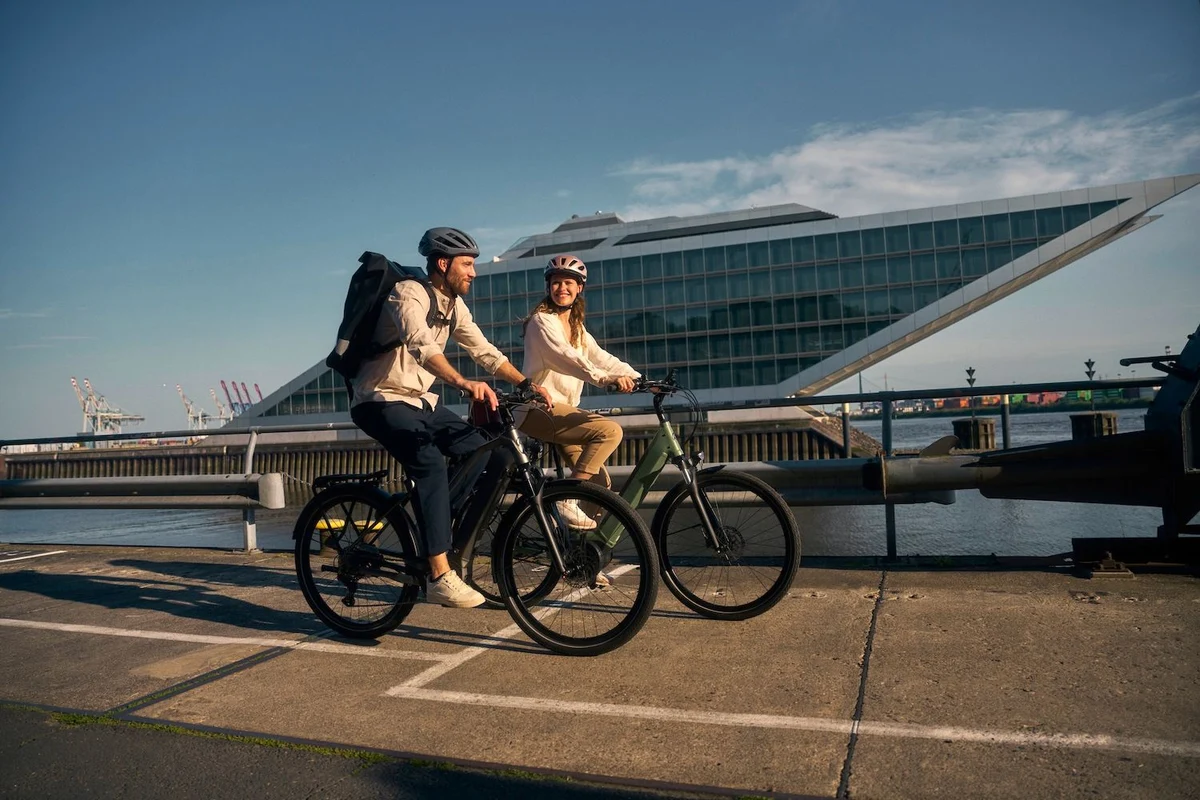
A new company bike lease is particularly appealing to those who value the latest technology and maximum performance. In the world of bicycles and e-bikes, a lot can change in three years—new motors, more powerful batteries, and improved components ensure greater comfort and efficiency in everyday use. At the same time, you can start fresh with a new bike and once again enjoy the benefits of leasing.
Reasons to choose a new leased bike
Technological advancements: E-bikes and bicycles are constantly being improved—new models often feature better battery performance, lighter weight, or innovative features.
Maintenance-free: A new bike means less wear and tear and lower maintenance costs than a three-year-old bike. In addition, many maintenance and wear-and-tear services are included in the lease agreement, so there are no or very few additional costs for repairs. You can see here which services are included in Lease a Bike’s comprehensive coverage.
Take advantage of tax benefits again: With a new lease agreement, you can continue to benefit from tax incentives.
Option #3: A combination of purchase and a new lease
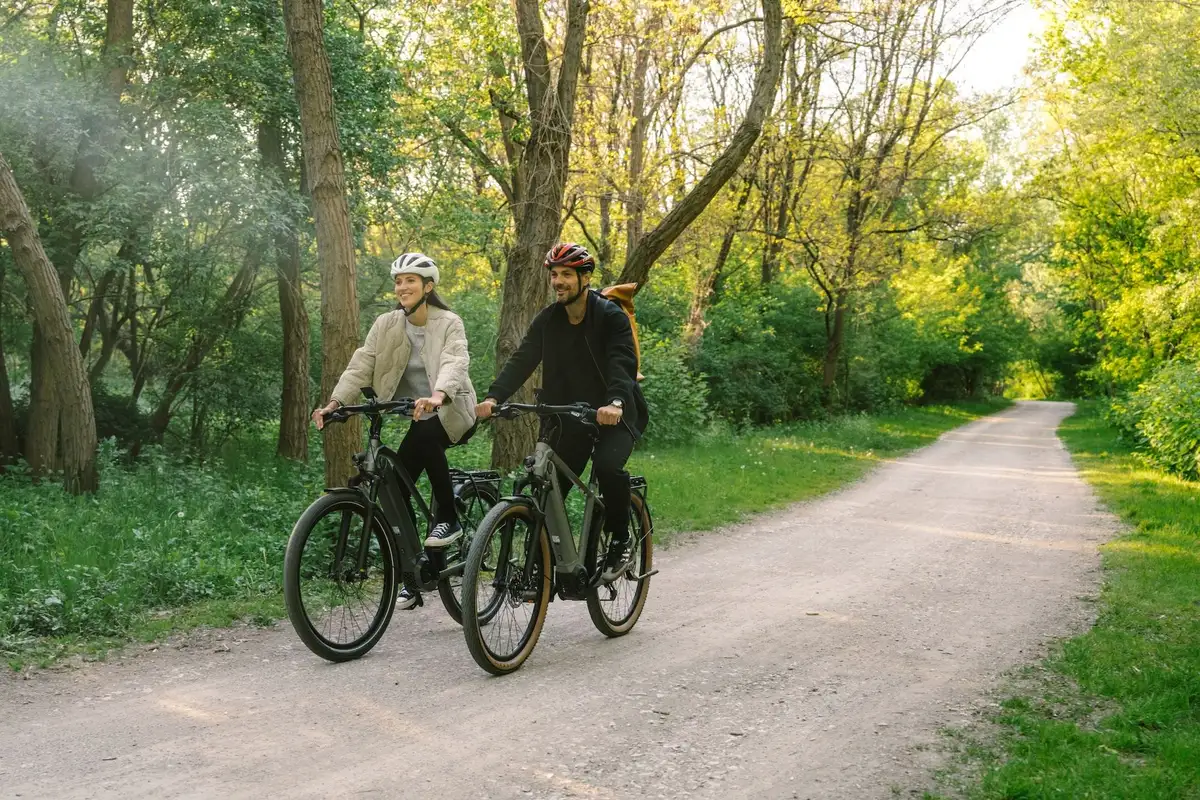
The combination of a buyout and a new company bike lease offers maximum flexibility. You keep your trusted everyday bike while supplementing it with a new model for other purposes. This allows you to keep your commute, leisure time, and athletic activities perfectly separate—without compromising on comfort or performance.
Reasons to choose the combination of a buyout and a new lease:
Two bikes for different purposes: Optimally combine your everyday bike with a sports or leisure bike.
Maximum flexibility: Choose the right bike for the task at hand.
Continue to enjoy tax benefits: A new lease is still possible even after taking over the existing one.
Long-term solution: Keep your trusted bike while benefiting from new technology.
A personal decision
The decision of whether to purchase the company bike at the end of the lease term or lease a new one depends heavily on individual needs. Those who wish to continue using a reliable bike can purchase it at a low cost. Those who want to benefit from new technologies and continue to take advantage of tax benefits are well advised to lease a new bike.
On the other hand, for those who don’t want to give up their familiar company bike but still appreciate new technologies—for example, for leisure activities in the form of a road bike—the decision to purchase the bike and then lease a new one is a good option.