


Safe Cycling: What the 2025 DEKRA Study Reveals
How safe do you feel when you hop on your bike in the morning and join the rush-hour traffic? For many commuters, the answer is: not safe enough. The latest 2025 Bicycle Study by DEKRA and Ipsos confirms that the sense of safety while cycling in Germany remains low—despite the growing popularity of e-bikes and pedelecs. In this article, we’ll show you what the study specifically reveals, what risks can be inferred from the current accident statistics, and what measures you can take to noticeably improve your personal safety while cycling.
Key points at a glance
39 percent of cyclists feel unsafe or very unsafe in urban traffic (DEKRA Study 2025).
35 percent of respondents do not own a bicycle helmet—its protective function is often underestimated.
According to the Federal Statistical Office, 195 of the 445 cyclists who died in accidents in 2024 were riding a pedelec.
68 percent do not have their bicycles serviced regularly.
Defensive riding, good visibility, and a properly fitting, not-too-old helmet significantly reduce the risk of accidents.
Service packages such as Lease-a-Bike’s comprehensive coverage relieve cyclists of maintenance and breakdown risks.
For the 2025 Bicycle Study, the market research institute Ipsos surveyed 1,000 bicycle owners across Germany in September 2025 on behalf of the expert organization DEKRA. The study focused on perceptions of safety, helmet use, service habits, and expectations of specialty retailers. The results paint a sobering picture: While bicycles and e-bikes are becoming increasingly important for everyday mobility, road safety is not keeping pace everywhere.
Accident statistics from the Federal Statistical Office also underscore this: According to these figures, 445 cyclists were killed in Germany in 2024—virtually unchanged from 2023. Noteworthy is the shift within this group: 195 of those killed—or 43.8 percent—were riding a pedelec. Ten years earlier, this share stood at 9.8 percent. Anyone who cycles on public roads should therefore know what the issues are—and where personal behavior makes a difference.
Cycling safely: Where cyclists see gaps
The 2025 DEKRA study shows that 39 percent of respondents feel unsafe or very unsafe in city traffic. On rural roads, the figure is 33 percent. Compared to the studies from 2023 and 2024, no clear upward trend is apparent—the subjective sense of safety has stagnated. Thirteen percent feel very safe in the city, and another 45 percent feel safe.
“So while a majority does feel reasonably safe on the road, But the fact that so many still feel unsafe is not a good sign,” says Peter Rücker, Head of DEKRA Accident Research, in a press release published as part of the data announcement. Respondents see the main cause in the infrastructure: more and better bike lanes, as well as better separation from motorized traffic, are at the top of the wish list for a greater sense of safety.
The e-bike boom
Greater range, higher speed, greater risk
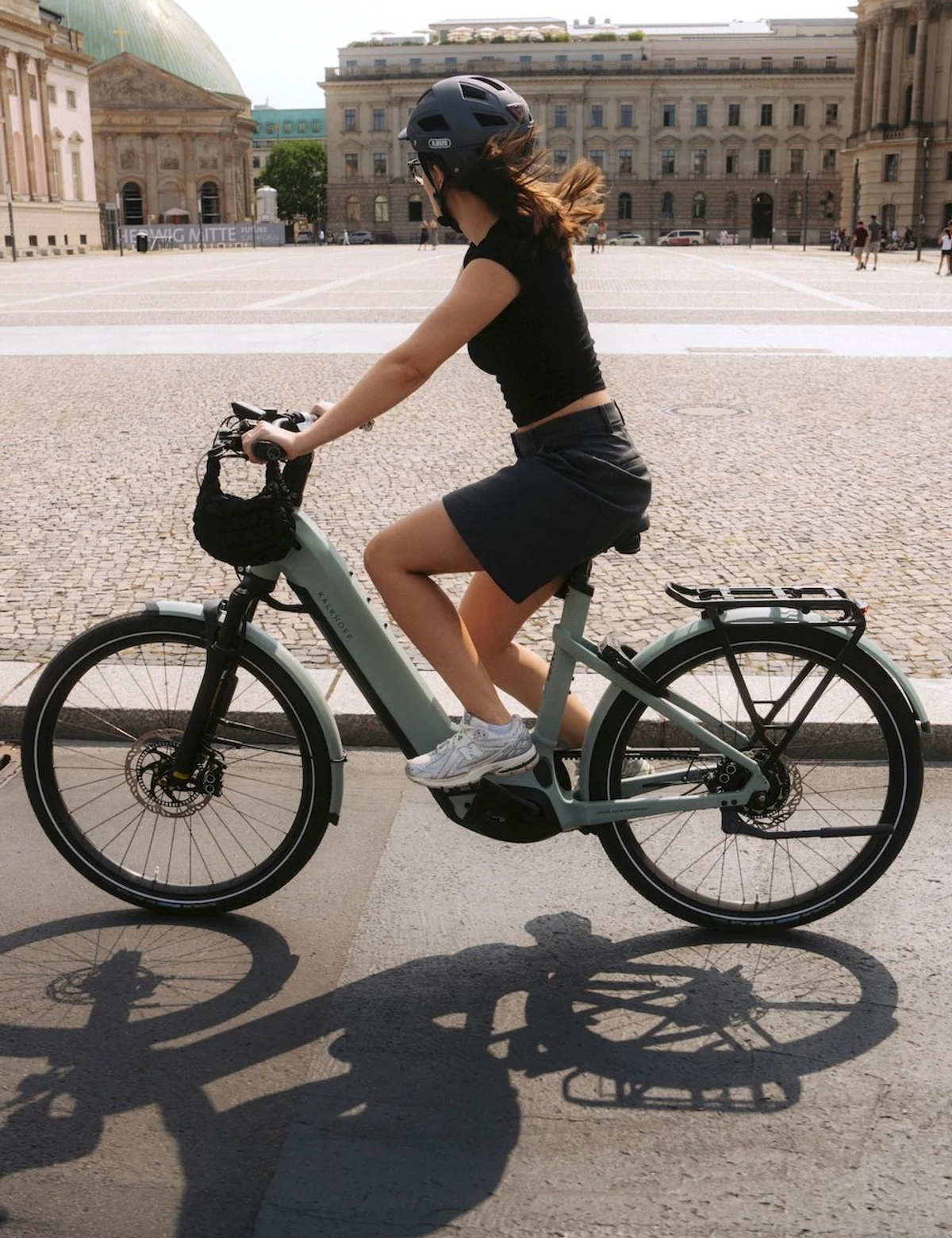
E-bikes are shaping the German bicycle market—and accident statistics as well. According to a DEKRA study, 67 percent of those planning to buy a new bike in the next twelve months intend to purchase an e-bike. The average price of bikes in the market is 1,428 euros—a significant increase from 1,390 euros in 2024 and 1,153 euros in 2023.
As electric pedal assistance becomes more widespread, speeds in everyday traffic are also increasing. “When using pedelecs, the average speed is generally higher than on bicycles without pedal assistance, which also increases the risk of accidents,” says Peter Rücker. Higher speeds mean longer braking distances, shorter reaction times, and in many cases more severe accidents.
For pedelec riders, this means: ride with foresight, adjust your speed to traffic conditions, and consistently ride defensively both in the city and on the trail. Anyone switching from a car to an e-bike should be aware of the speed dynamics in pedelec traffic—even below the 25 km/h limit, up to which pedal assistance is active.
Helmet: Its protective function is underestimated
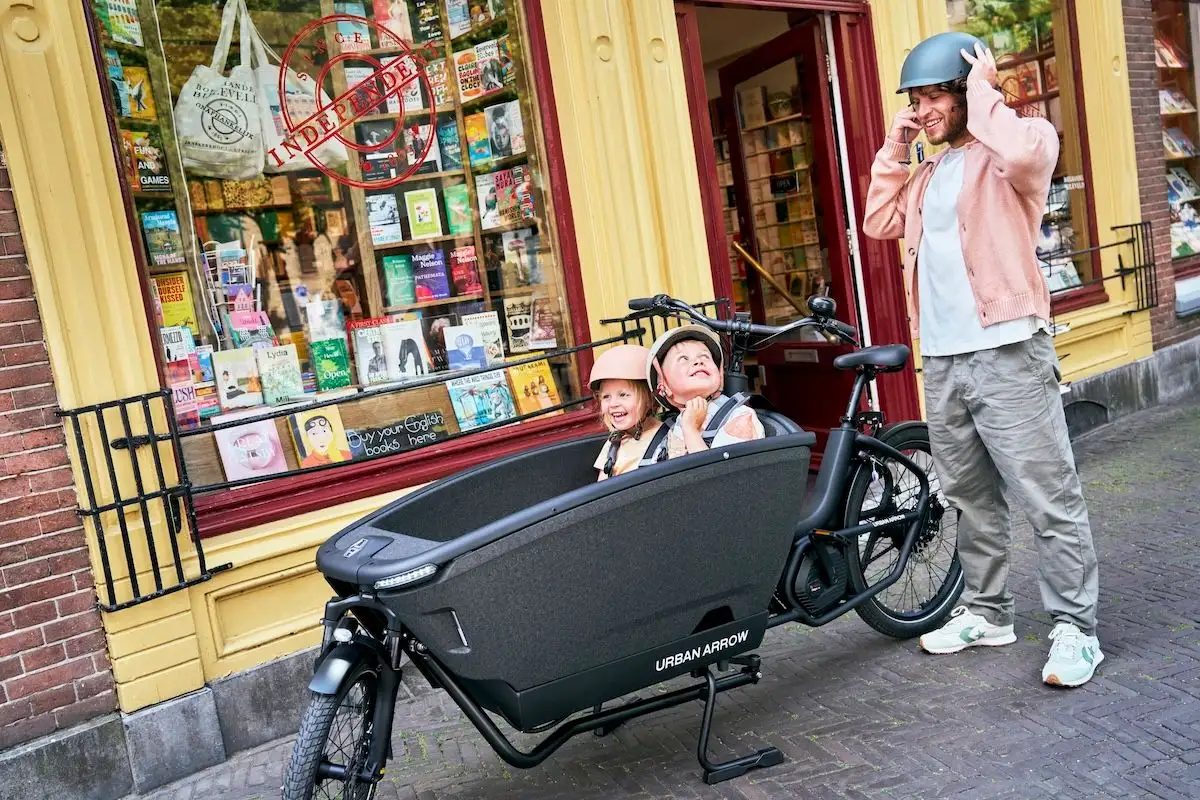
One of the most striking findings of the 2025 DEKRA study concerns helmets: 35 percent of the cyclists surveyed say they do not own a bicycle helmet at all. Among this group, 14 percent cite the fact that they cycle infrequently or only cover short distances. 11 percent find helmets “ugly” or unattractive, and 10 percent find them uncomfortable. Another 32 percent simply say they don’t need one.
Even those who own a helmet don’t necessarily wear it: 56 percent of helmet owners say they always wear it, 30 percent say they wear it fairly often. 11 percent wear it rarely, and 3 percent never. Particularly striking: On short trips and in natural settings, helmets are left at home more often than on country roads—even though falls can happen just as easily there.
Don't neglect maintenance: Why maintenance means safety
A bike in perfect working order is the foundation of safe riding. Yet this is precisely where the 2025 DEKRA study reveals a concerning trend: 68 percent of respondents do not have their bikes serviced regularly—up from 62 percent the previous year. Only 37 percent regularly visit a preferred specialist shop, while 63 percent do not have a regular repair shop.
Among those who forego professional service, 38 percent say they handle repairs and maintenance themselves. 23 percent see no need for it, and 12 percent find the service too expensive. “The trend continues toward e-bikes with electric pedal assistance—this not only increases average speed but also the technical complexity of the vehicle,” warns Peter Rücker. Brake systems, battery systems, and drive electronics belong in the hands of experts.
At the same time, respondents expect specific services from specialty retailers: 41 percent want professional advice in the event of damage, 31 percent want e-bike expertise and online appointment booking, and 26 percent want a replacement bike during repairs. Additionally, 27 percent expect the specialty shop to handle the entire claims process—only 17 percent say their regular dealer already offers this.
Lease a Bike Allround protection
Maintenance, roadside assistance, and a mobility guarantee—all from a single source
This is exactly where Lease a Bike’s comprehensive coverage comes in. The service package can be customized—users select options for theft and damage coverage, inspections, and wear and tear. The free Europe-wide mobility guarantee, including 24/7 roadside assistance, is always included and ensures that you won’t be left out in the cold while on the go. This keeps your company bike roadworthy and ready for use at all times—without you having to worry about repair appointments, wear-and-tear costs, or damage claims. You can find more information on the Lease a Bike All-Round Protection page.
Conclusion: Security starts with you
The DEKRA 2025 study shows that there is significant room for improvement when it comes to feeling safe while cycling in Germany. Waiting for better bike lanes means wasting valuable time—because much of it is in your own hands. Defensive riding, good visibility, a properly fitting helmet that isn’t too old, and regular maintenance are the most effective ways to reduce risks in everyday life.
E-bike riders in particular should be aware of their higher average speed and realistically assess both their speed and braking distance. With a reliable service package—such as the comprehensive coverage from Lease a Bike—you can also eliminate worries about maintenance and breakdowns. This way, safe cycling becomes a predictable routine rather than a matter of luck.