


Bikeation explained: The complete checklist for a cycling vacation
What should you really pack when going on a cycling vacation? A “bikeation”—a portmanteau of “bike” and “vacation”—requires a bit more preparation than a package tour, but the vacation begins from the very first kilometer. In this article, we’ll walk you through, step by step, how to plan a bikeation, what to include on your cycling vacation checklist, and how to get back in the saddle quickly after a breakdown.
The most important points at a glance.
A “bikeation” combines vacation and cycling—from multi-day tours to bringing your bike along on a traditional summer vacation.
Realistic daily distances are more important than personal bests: On longer cycling trips, the average daily distance is around 60 kilometers.
More than half of cyclists now use an e-bike on longer cycling trips—which changes stage planning, luggage, and charging logistics.
When traveling by train, reservations are required for every bike space on long-distance routes.
Tools, a spare inner tube, and a reliable lock belong on every packing list for a cycling vacation.
If you’re using a company bike, you should check before departure to see what services are covered in the event of a breakdown, damage, or theft.
Cycling on vacation is no longer a niche activity. According to the ADFC Cycling Travel Analysis 2025 by the Allgemeiner Deutscher Fahrrad-Club (ADFC), approximately 39.3 million adults in Germany ride bicycles on vacation or in their free time. In 2025, 3.3 million people took a traditional cycling trip lasting at least three nights, spending an average of 7.6 nights on the road. Cycling tourism thus generates annual revenue of around 40 billion euros—an impressive figure.
What is a “bikeation”—and what different types are there?
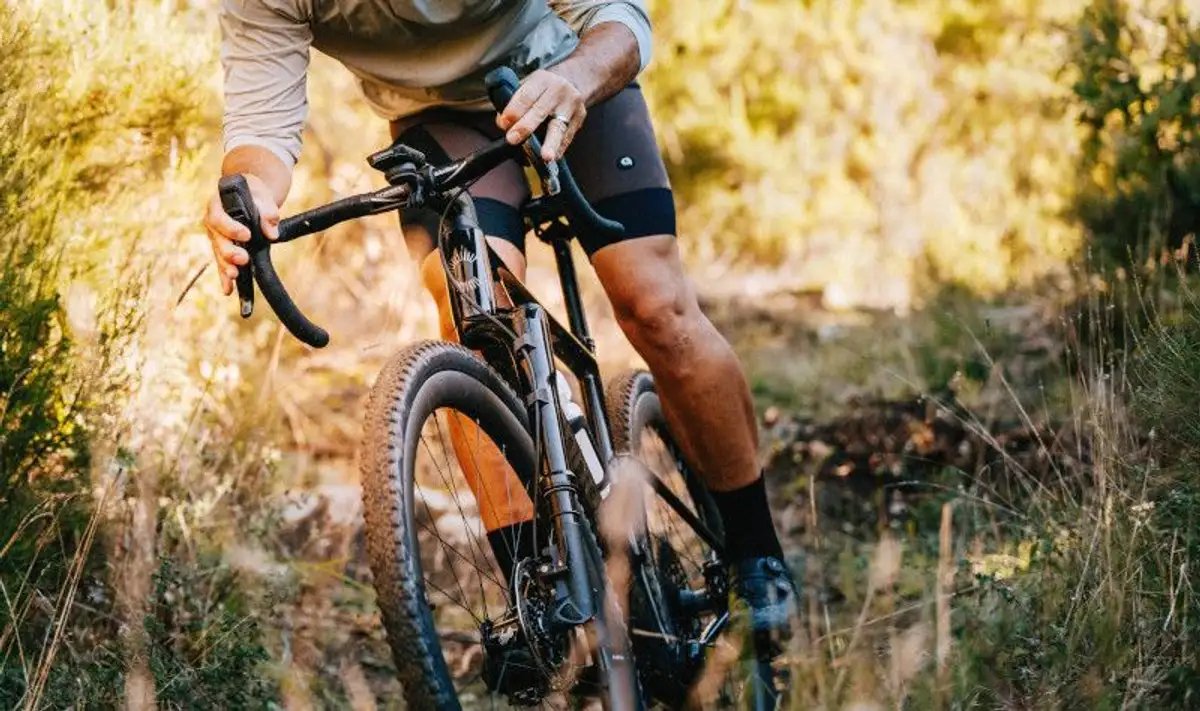
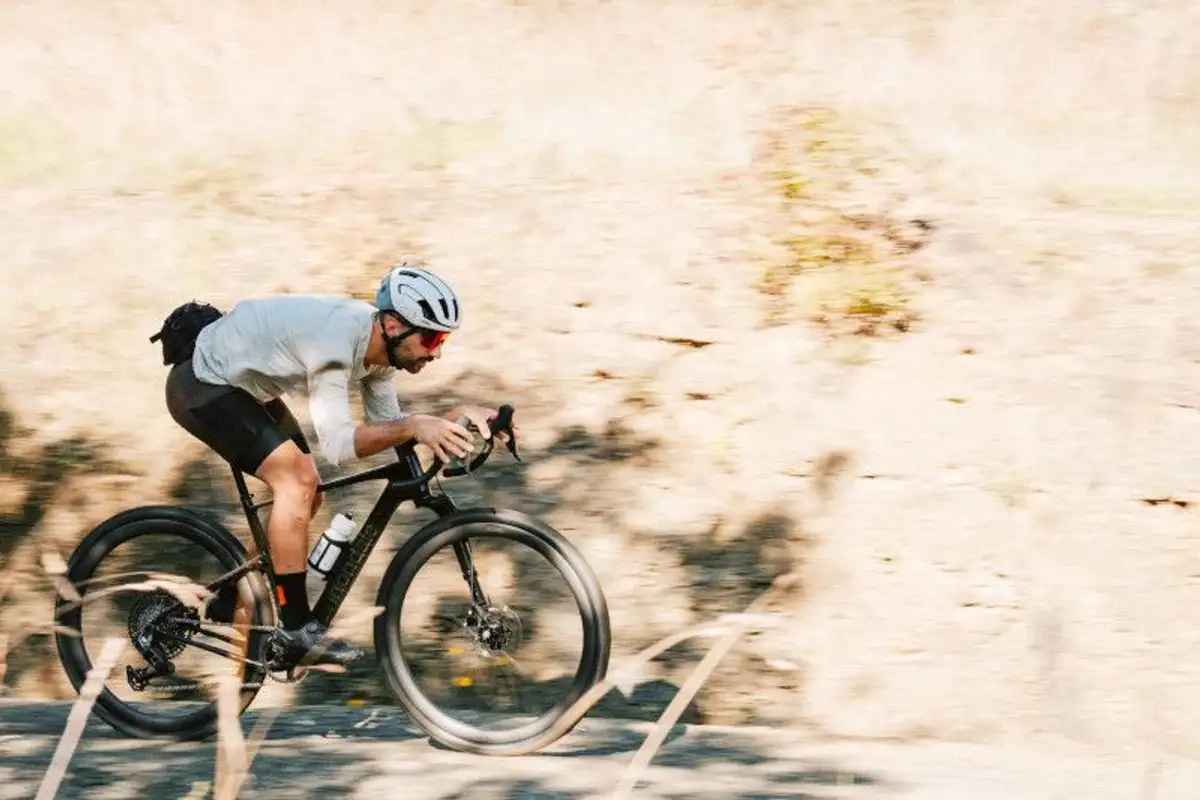
Right at the heart of this cycling travel trend is the so-called “bikeation.” A bikeation is a vacation where travel is done by bicycle. Unlike a sporty cycling trip, the focus isn’t on the number of kilometers covered, but on the travel experience—such as the scenery, stops along the way, the food, and the culture. In practice, four variations have become established, which differ significantly in terms of effort and the amount of luggage.
Stage Tour: You ride from one stage location to the next—usually along a signposted long-distance bike trail. The advantage: You follow a clear route and benefit from good infrastructure. The disadvantage: Your luggage must be transported daily, either by you or via a transfer service.
Base-and-Explore Bikeation: You stay at a single accommodation and take day trips from there. This reduces luggage to a minimum and is particularly suitable for families and beginners.
Bikepacking: The sporty, minimalist option. You carry your luggage in frame, saddle, and handlebar bags—often along with your tent.
Cycling on a traditional vacation: You bring your bike to the beach, the mountains, or your vacation rental, where it replaces the car. This is currently the fastest-growing option.
Which option is right for you depends less on your riding ability than on the expectations of your travel companions. If you’re traveling with children, a “stay-in-one-place” bike vacation is generally more relaxed than a route-based tour, where each day has a set destination.
Planning a bikeation: Six steps to finding the right route.
Good planning determines whether a cycling vacation will be relaxing or feel like a chore. The following six steps have proven effective—whether you’re heading to the Baltic Sea, Lake Constance, or across the Alps.
Determine your time budget and type of trip
First, figure out how many days you actually have available for cycling. Factor in travel to and from your destination, a buffer day in case of bad weather, and at least one rest day per week. A common planning mistake: stretching the route to fit the maximum number of vacation days—without allowing for headwinds, detours, or a breakdown.
Calculate daily stages realistically
According to the ADFC, the average daily distance on longer cycling trips is around 60 kilometers. This is a good guideline for adults who aren’t pressed for time—but it’s not a target for everyone. The key factors are elevation gain, terrain, luggage, and the slowest person in the group. This table offers additional guidance:
Driving Profile | Daily Distance (Approximate) | Note |
Familien mit jüngeren Kindern | 20–40 km | Plan to take breaks every 8–10 km |
Recreational cyclists without a motor | 40–60 km | Check the elevation profile in advance |
E-bike Tourers | 50–80 km | Take range and charging stations into account |
Active cyclists | 80–120 km | Rest day after three to four stages |
Check the route and the road surface
Signposted long-distance bike routes save a lot of planning work. In the ADFC Bike Travel Analysis 2025 ranking, the Elbe Bike Route leads ahead of the Weser Bike Route. Next come the Baltic Sea Coast Bike Route and the Rhine Bike Route. It’s important to consider the surface: gravel and natural trails are significantly more strenuous with narrow tires and heavy luggage. Also, check whether the route includes ferry crossings, long climbs, or closed sections.
Organize your arrival and departure
According to the ADFC Cycling Travel Analysis, about 37 percent of cycling travelers take the bus or train, while 38 percent travel by car. For train travel, the following applies: On long-distance routes, bicycles may only be transported with a bicycle ticket and a reserved space—specifically on IC and EC trains, as well as on select ICE routes. For local rail service, the rules of the respective transit authority apply. A tip: On popular routes in vacation regions, bike spaces book up quickly in the summer. If you want to stay flexible, you should book your bike ticket at the same time as your regular ticket.
Lodging and meals
On longer cycling trips, hotels and guesthouses are the most common accommodations. About one in five trips involves staying at a campground. For multi-day tours, it’s recommended to choose accommodations with a lockable bike storage area and charging facilities for the battery. Such establishments are often certified as bike-friendly. For short trips, bookings tend to be much more spontaneous—one in two short cycling trips is decided on short notice, and nearly 23 percent are even booked just one week before departure.
For e-bikes: Calculate range and charging time in advance
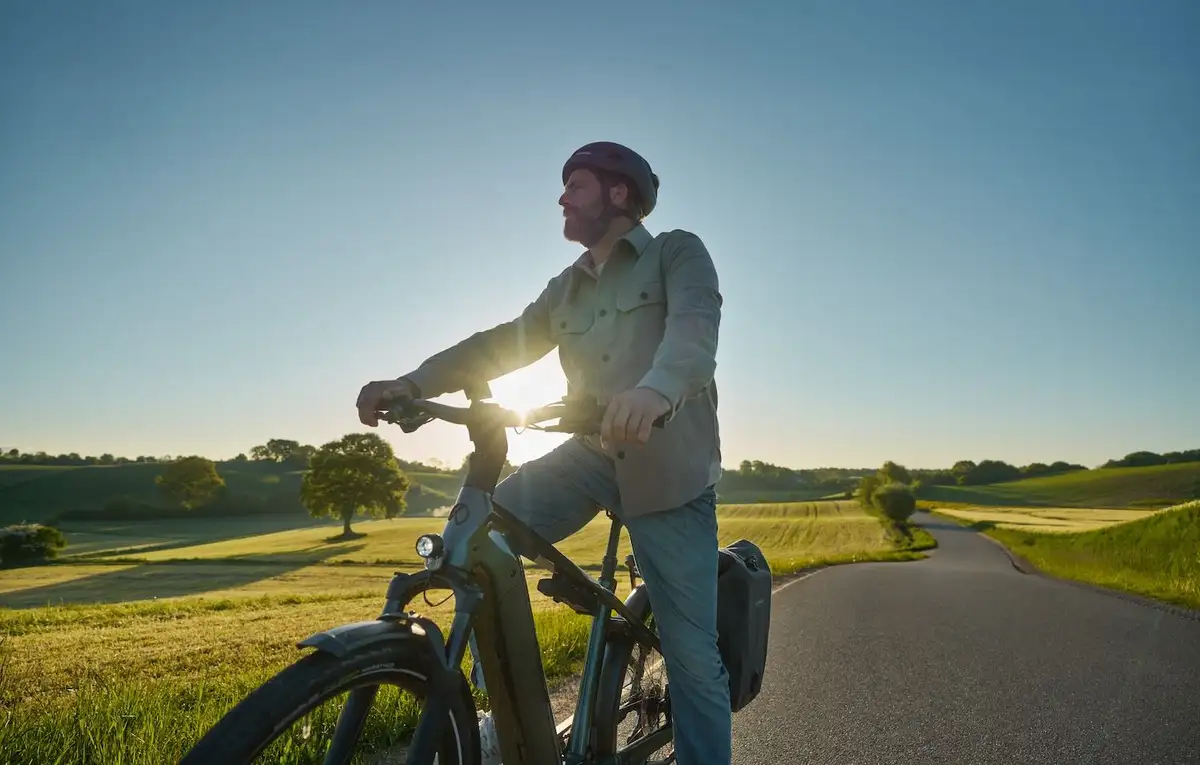
More than half of all cyclists use electric assistance on longer bike trips. This shifts the focus of planning from physical fitness to battery capacity. Estimate your range conservatively: luggage, headwinds, elevation gain, and cold weather all significantly drain your battery. Also important: Bring the right charger, check charging options at your lodging, and charge the battery at room temperature whenever possible. A second battery is especially worthwhile on stages with significant elevation gain.
A short trip instead of a long one.
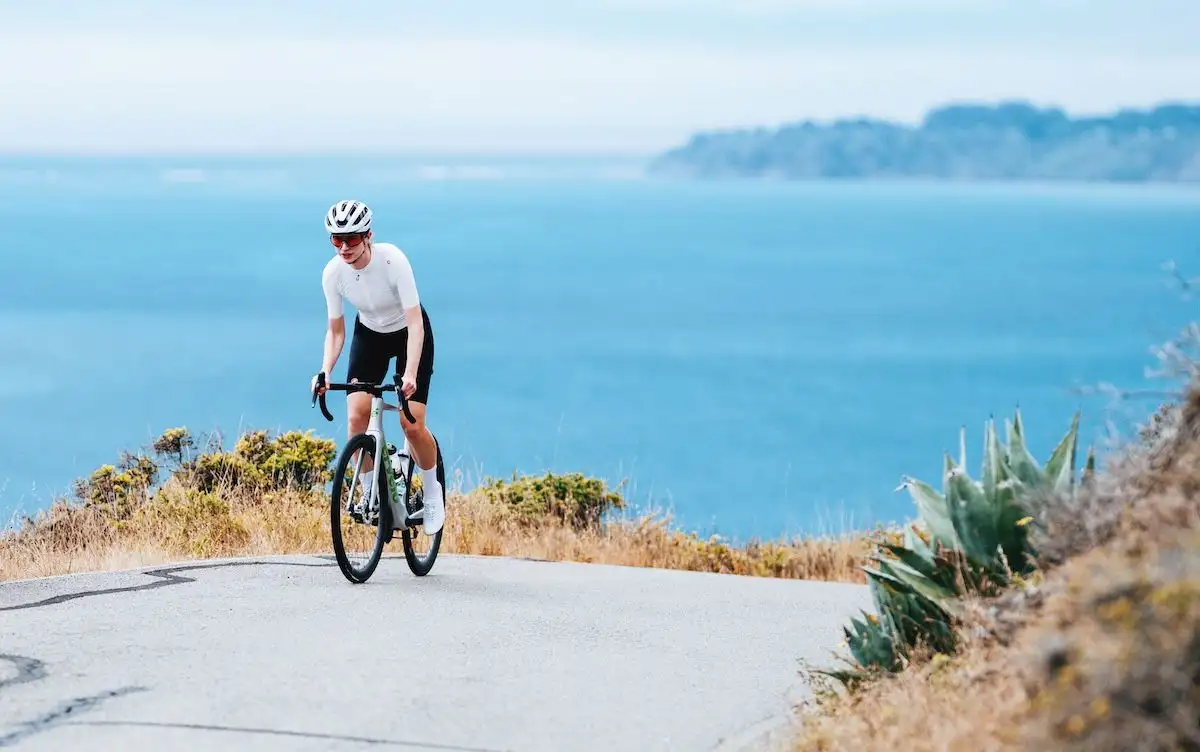
Not every bike vacation has to last a week. According to the ADFC Cycling Travel Analysis, in 2025, 4.2 million people in Germany took a total of 7.6 million short cycling trips lasting one to two nights—an average of 1.8 short trips per person, which is more frequent than in 2023. The most popular months are May and June. The main source of inspiration is recommendations from friends and family, followed by social media. This format is ideal for getting started with bike vacations, as it involves little risk, requires minimal luggage, and allows travelers to gradually adjust to the length of the stages.
Packing list for a cycling cacation: What should you pack?
The packing list for a cycling vacation should include four categories: bike and equipment, tools and spare parts, layered clothing, and documents and electronics. The rule of thumb for a cycling vacation: If you’re tempted to pack something twice, you’ll only need it once.

What bike and equipment should I pack?
Panniers: Two waterproof rear panniers carry the main luggage on a cycling vacation, while a handlebar bag holds valuables and snacks.
Weight distribution: Heavy luggage should be placed low and close to the center of the bike, because weight stored high up noticeably impairs handling.
Lighting: A working lighting system plus a small backup light are necessary at night during a cycling vacation, but also in tunnels and when it rains.
Bicycle lock: A high-quality U-lock or folding lock secures the bike at each stop along the route. For a leased company bike, the lock is usually part of the contract and must meet a minimum value requirement.
Water bottles: On stages longer than 40 kilometers, it’s more realistic to carry two bottles than one—along with an energy bar or some fruit as a backup.
Navigation: A GPS bike computer helps you stay on track.

What tools do you need for a cycling vacation?
Spare tube, repair kit, and tire levers: A flat tire is by far the most common breakdown on a cycling vacation, and it can’t be fixed without a spare tube on the side of the road.
Multitool with Allen and Torx bits: Covers adjustments to the saddle, handlebars, brakes, and rack.
Compact pump with pressure gauge: Incorrect tire pressure causes punctures and increases the risk of breakdowns, especially when carrying luggage.
Chain lock and chain tool: A broken chain will bring any stage to a halt if you don’t have a spare link.
Cable ties, webbing, and spare screws: These allow for a makeshift repair until you reach the next professional repair shop.
Charger and charging cable for e-bikes: Chargers from other manufacturers are rarely compatible, and it’s nearly impossible to find a replacement while on the road.

What clothes should you include on your packing list for a cycling vacation?
The Onion Principle: Two performance shirts, a lightweight windbreaker, a rain jacket, and one pair each of long and short pants cover the full range of temperatures you’ll encounter on a cycling trip.
Choice of Materials: Cotton dries slowly and makes you feel cold, so it’s not suitable for cycling clothing on a cycling vacation.
Rain protection: A rain jacket, overshoes, and waterproof gloves determine whether a stage is continued or cut short.
Helmet: In Germany, cyclists are not required to wear helmets. However, on a cycling vacation, a helmet is the simplest way to protect yourself against head injuries.
Glasses: Cycling glasses protect your eyes from insects, wind, and dust kicked up by your tires on longer rides.

What documents and digital tools do you need?
Offline Navigation: Download the route in advance to your bike computer or smartphone, as there may be sections of long-distance bike trails where no cell service is available. Keep a paper map on hand as a backup.
Service Contacts: Save the service number of your leasing or insurance provider before you leave so that you have it immediately available in case of a breakdown.
Bike Information: Save a digital copy of the frame number and proof of purchase or contract documents—both are required to file a police report and claim for damages in the event of theft.
Power Bank: Continuous use of navigation drains the battery of a smartphone or bike computer much faster than during normal daily use.
A breakdown on a cycling vacation: Here's what to do.
A flat tire, a broken chain, a broken spoke, worn-out brake pads, or an error message in the drivetrain—the most common problems on the road aren’t serious, but they’re annoying. It’s important to have a clear plan of action so that a breakdown doesn’t turn into a lost day of vacation.
Step 1: Secure the bike. Move the bike and its components out of the traffic area; turn on your lights if it’s dark.
Step 2: Assess the situation. Is this a repair you can handle with the bike’s included tools? This includes flat tires, loose bolts, and a broken chain link.
Step 3: Call a repair shop or ask for help. If there are problems with the brakes, wheels, motor, or battery, continuing your ride is not an option—you’ll need to take it to a professional repair shop.
For e-bikes, the following also applies: Make a note of any error messages on the display, and remove the battery from the frame before continuing your ride if you’ve had a fall. Batteries with visible damage must not be charged or used further. If you’re traveling abroad, you should also know which service hotline to contact in case of damage—trying to find that information while standing in the rain on a country road is the worst possible time.
Lease a Bike Comprehensive Protection: Coverage that applies even while you're on vacation.
Anyone who takes their company bike on a Bikeation trip is covered while on the road thanks to Lease a Bike’s comprehensive protection packages. All packages include a Europe-wide mobility guarantee with 24/7 roadside assistance. This includes a service hotline available around the clock, on-site roadside assistance, assistance in finding a nearby bike repair shop, and arrangements for continuing your journey or returning home after an accident. Good to know: These benefits apply starting at a distance of ten kilometers from your permanent residence.
In addition, the plan includes theft and damage coverage with no deductible, as well as an annual budget for inspections and repairs due to wear and tear—ranging from 100 euros to 300 euros, or unlimited coverage, depending on the plan you choose. For cycling vacations, this means: Wear-and-tear parts such as brake pads or tires can be replaced at a specialty shop before departure, and in the event of a breakdown along the way, a contact person is available to assist.
Conclusion
Good planning makes up for a lack of stamina.
A successful bike trip depends less on your fitness level than on realistic daily stages, appropriate gear, and a Plan B in case of a breakdown. If you tailor the route to the slowest person in the group, bring tools and a spare inner tube, and book your train tickets well in advance, you’ve already cleared the three most common hurdles. The rest is just a matter of the route—and there are plenty of signposted long-distance bike trails in Germany. So what are you waiting for to take your first bike vacation?
Important: If you lease your bike through your employer, be sure to review the contract documents before you leave: maintenance coverage, wear-and-tear coverage, and roadside assistance are worth significantly more on vacation than in everyday life.