


E-bikes and the StVZO: Traffic rules you need to know
What traffic rules apply to e-bikes? In this article, we’ve compiled all the key StVZO regulations regarding helmet requirements, bike lane use, and more.
Key Points at a Glance
The exact regulations depend on the e-bike category (pedelec vs. S-pedelec, standard e-bike vs. cargo bike)
Pedelecs with a top speed of up to 25 km/h are legally classified as bicycles and are permitted to use bike lanes.
S-pedelecs with speeds up to 45 km/h are classified as mopeds and are generally not permitted on bike paths.
Helmets and insurance are mandatory for S-pedelecs.
The StVZO (German Road Traffic Licensing Regulations) stipulates certain equipment requirements for e-bikes—for example, lights, a bell, and reflectors.
E-bikes must follow general traffic rules when riding on public roads.
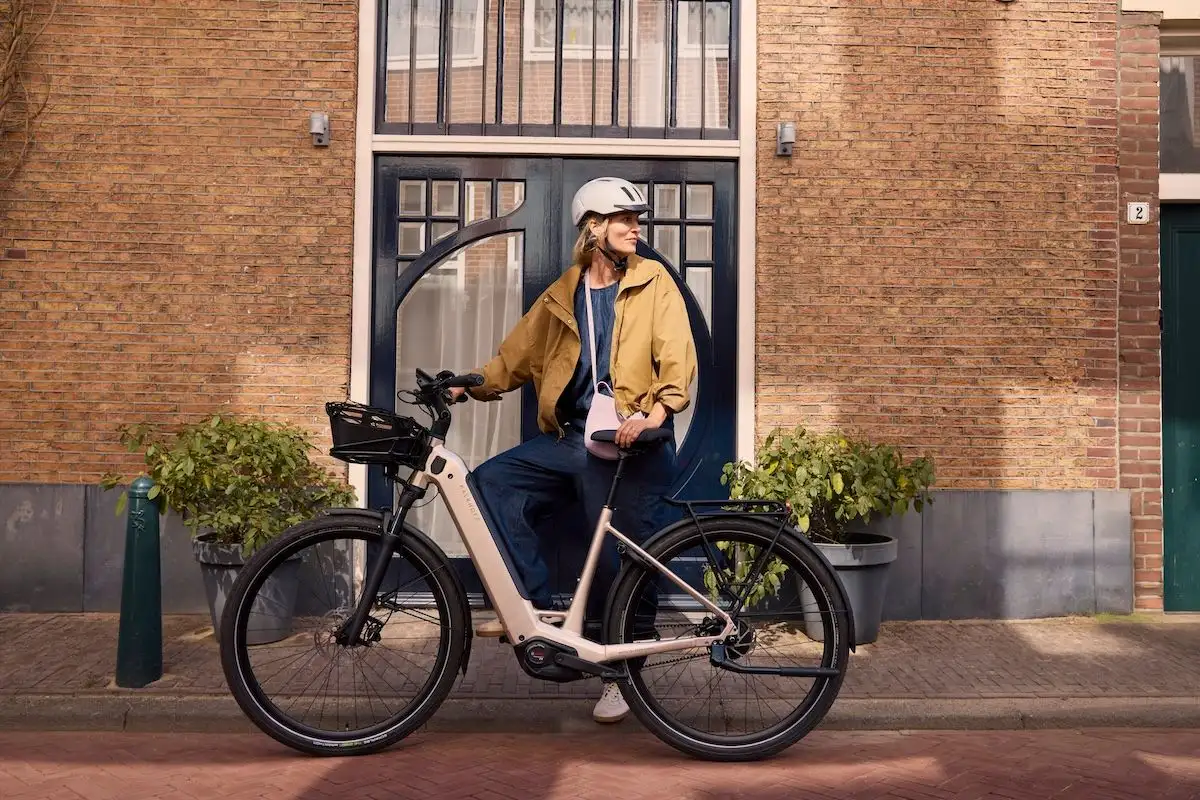
A driver’s license for an e-bike? In most cases, you don’t need one. Nevertheless, you must be familiar with the applicable traffic rules when riding an e-bike. This is because, depending on the type of e-bike, different regulations apply under the Road Traffic Licensing Regulations (StVZO).
Many cyclists therefore ask themselves questions such as: What traffic rules apply to e-bikes? Are you allowed to ride an e-bike on the bike path? And what equipment does the StVZO require? To help you find the answers, we’ve compiled the current traffic rules and tips for safe participation in road traffic below.
Do different rules apply to e-bikes than to regular bicycles?
First, the simple answer: In general, the same traffic rules apply to electric bicycles as to regular bicycles—provided they are so-called pedelecs with motor assistance up to 25 km/h. This means that anyone riding such an e-bike must comply with the Road Traffic Regulations (StVO), obey traffic signs, and use designated bike lanes whenever they are mandatory.
This includes, among other things, that e-bike riders must obey traffic lights, right-of-way rules, and traffic signs. Riding under the influence of alcohol or drugs is also prohibited and can—just like with a car or bicycle—lead to fines or other consequences. Similarly, using a smartphone while riding is only permitted with a hands-free device.
In addition to general traffic rules, technical equipment also plays an important role. This is because only e-bikes that are roadworthy may be used on public roads.
Pedelec vs. S-Pedelec: An Overview of Legal Differences
However, not every e-bike is subject to the same regulations. The key factor is the maximum speed at which the motor provides assistance.
Pedelecs assist riders up to a speed of 25 km/h. They are legally classified as bicycles and are therefore permitted to use bike lanes. Insurance, a license plate, or a driver’s license are not required. There is also no helmet requirement, though wearing one is recommended for safety reasons.
The situation is different for so-called S-pedelecs. These provide assistance up to a speed of 45 km/h and are legally classified as mopeds. Stricter regulations apply to them: riders must have at least a Class AM driver’s license, an insurance plate, and a suitable helmet. Additionally, S-pedelecs are generally not permitted to use bike lanes and must instead ride on the road.
Definition: E-bike vs. Pedelec
Important: The terms “e-bikes” and “pedelecs” are often used interchangeably. However, there is a crucial difference: A true e-bike can be ridden entirely without muscle power—solely by the electric motor. With a top speed of 25 km/h and a maximum power output of 500 watts, it is a comfortable mode of transportation. With a pedelec, pedaling is always required for the motor to engage.
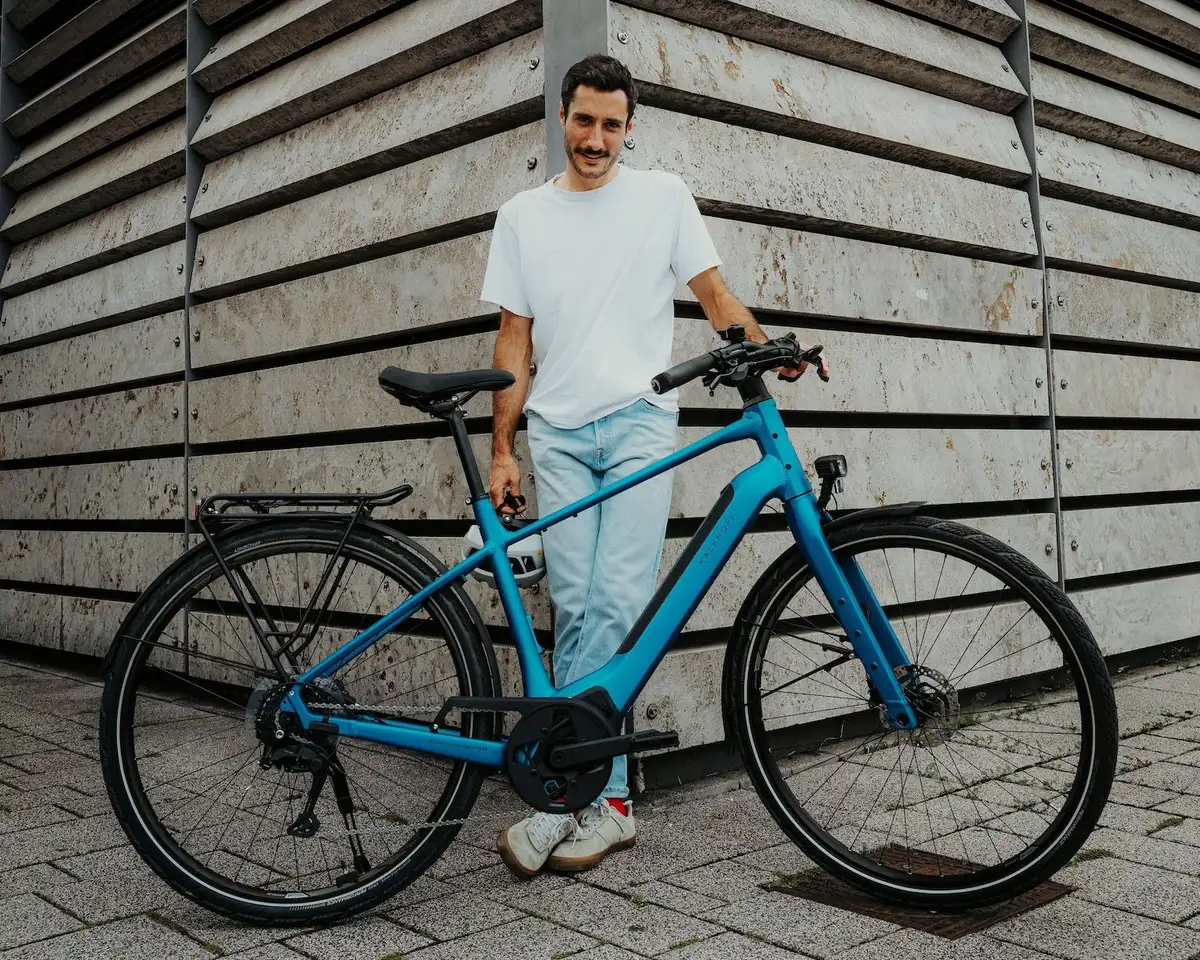
Various legal requirements
Age restriction
The law distinguishes between different “types of e-bikes.” While a pedelec is classified as a bicycle, an S-pedelec and an e-bike are classified as mopeds or motor vehicles. Pedelecs have no age restriction, meaning that people of all ages can enjoy them. However, if you want to ride an S-pedelec, you must be at least 16 years old and hold a Class AM driver’s license or a higher-level driver’s license. For an e-bike, which is legally classified as a moped (electric drive up to 25 km/h without the need to pedal), the minimum age is 15, and you must hold a moped test certificate in accordance with the FeV.
Helmet requirement
No matter which model you choose, it is always advisable to wear a helmet. For pedelecs with a top speed of up to 25 km/h, there is no legal requirement to wear a helmet, as they are classified as bicycles. For S-pedelecs and high-speed e-bikes classified as mopeds, however, the general helmet requirement for motorcycle riders applies under Section 21a(2) of the German Road Traffic Regulations (StVO). We recommend, however, that everyone prioritize safety. You should always wear a helmet and ensure that it is the right size and fits properly.
Properly functioning lighting system
If you ride a pedelec, your lighting system must be in good working order and comply with regulations. For bicycles—and thus also pedelecs—Section 67 of the German Road Traffic Licensing Regulations (StVZO) governs lighting equipment: headlights, taillights, reflectors, and other reflective devices must be securely mounted, unobstructed, and always operational. S-pedelecs and high-speed e-bikes are classified as motor vehicles and are therefore subject to the regulations governing lighting equipment on motor vehicles as well as the relevant ECE regulations. In practice, this means: An approved continuous running light/daytime running light is required so that you are clearly visible even in poor visibility conditions.
Driver's license required
Another important factor is the requirement for a driver’s license. If you ride a pedelec, you do not need a driver’s license, as it is legally classified as a bicycle. For S-pedelecs, a driver’s license is required: You generally need a Class AM license or a passenger car license (Class B), as stipulated in Section 6 of the German Road Traffic Regulations (FeV). For e-bikes classified as mopeds, at least a moped test certificate is required; transitional provisions may apply to certain individuals born before 1965.
Insurance
When it comes to insurance, pedelecs are not subject to mandatory insurance, but with Lease a Bike, they are automatically covered by comprehensive protection against theft and damage. You can choose between time-value or replacement-value insurance for your bike. For S-pedelecs and e-bikes, motor vehicle liability insurance with a license plate is required, while collision insurance is recommended.
Use of bike paths
If there is a mandatory bike lane requirement, pedelecs must use the bike lane; this is the case when the path is marked with the appropriate bike lane signs (signs 237, 240, or 241 of the German Road Traffic Regulations). In the absence of a mandatory bike lane requirement, pedelec riders may choose to use either the bike lane or the roadway, provided no other traffic signs prohibit it. S-pedelecs, on the other hand, are classified as mopeds and are therefore generally not permitted to use regular bike lanes. They must ride on the roadway—unless a bike lane is expressly designated for this type of vehicle by an appropriate supplementary sign. E-bikes classified as mopeds or small motorcycles must generally ride on the roadway within built-up areas.
Different countries, different rules
If you’re traveling by e-bike, different laws likely apply in other countries regarding helmet requirements, identification requirements, license plates, and the use of bike paths. It’s best to familiarize yourself with the local regulations before you set off so that nothing stands in the way of a carefree trip.
Conclusion
You need to know these traffic rules when riding an e-bike
Anyone riding an e-bike on public roads must be familiar with the applicable regulations of the StVZO and the StVO. The key distinction is whether the bike is classified as a pedelec or an S-pedelec, as this determines different rules regarding bike lane use, helmet requirements, insurance, and driver’s licenses. While pedelecs are legally treated as bicycles, stricter regulations apply to faster S-pedelecs.
In addition to the legal differences, technical equipment also plays an important role. Lights, reflectors, and a working bell are required by law and thus ensure greater safety on the road. Anyone who knows the most important traffic rules and uses a roadworthy e-bike is safe and compliant on the road—whether in everyday life or on the way to work.