


From a bike for seniors to a trend: Why more and more young people are riding e-bikes
More and more young people are discovering e-bikes as a practical solution for commuting and everyday life. At the same time, they remain an important means of active and independent mobility for older generations. In this article, we explore how the age profile of e-bike users is changing and what factors are driving this trend.
Key Points at a Glance
The age distribution of e-bike users is becoming increasingly diverse.
More and more young people are using e-bikes for their commute and daily life.
At the same time, e-bikes remain an important mode of transportation for older generations.
Company bike leasing makes high-quality e-bikes particularly attractive to working professionals.
E-bikes promote resource-efficient mobility and can reduce vehicle-related CO₂ emissions of the everyday commute.
Traditionally, e-bikes were mainly used by older people looking for a convenient and eco-friendly way to stay mobile. However, with technological advances and the steady improvement of modern e-bike models, perceptions and the target audience have changed significantly. A study by the energy company E.ON shows that around a quarter of adults in Germany now own an e-bike—and usage is growing particularly rapidly among young people: In the 18- to 29-year-old age group, the proportion of e-bike owners rose from 13.8% to 17.5% within a year (Source: E.ON study, cited from ingenieur.de).
Today, we are therefore seeing a growing number of younger users, including millennials and young professionals, who are discovering the e-bike as a practical and attractive alternative for everyday life and commuting. This trend is driven by several factors—including greater environmental awareness, the desire for healthy and active mobility, and the increasing availability of modern e-bike models for various applications.
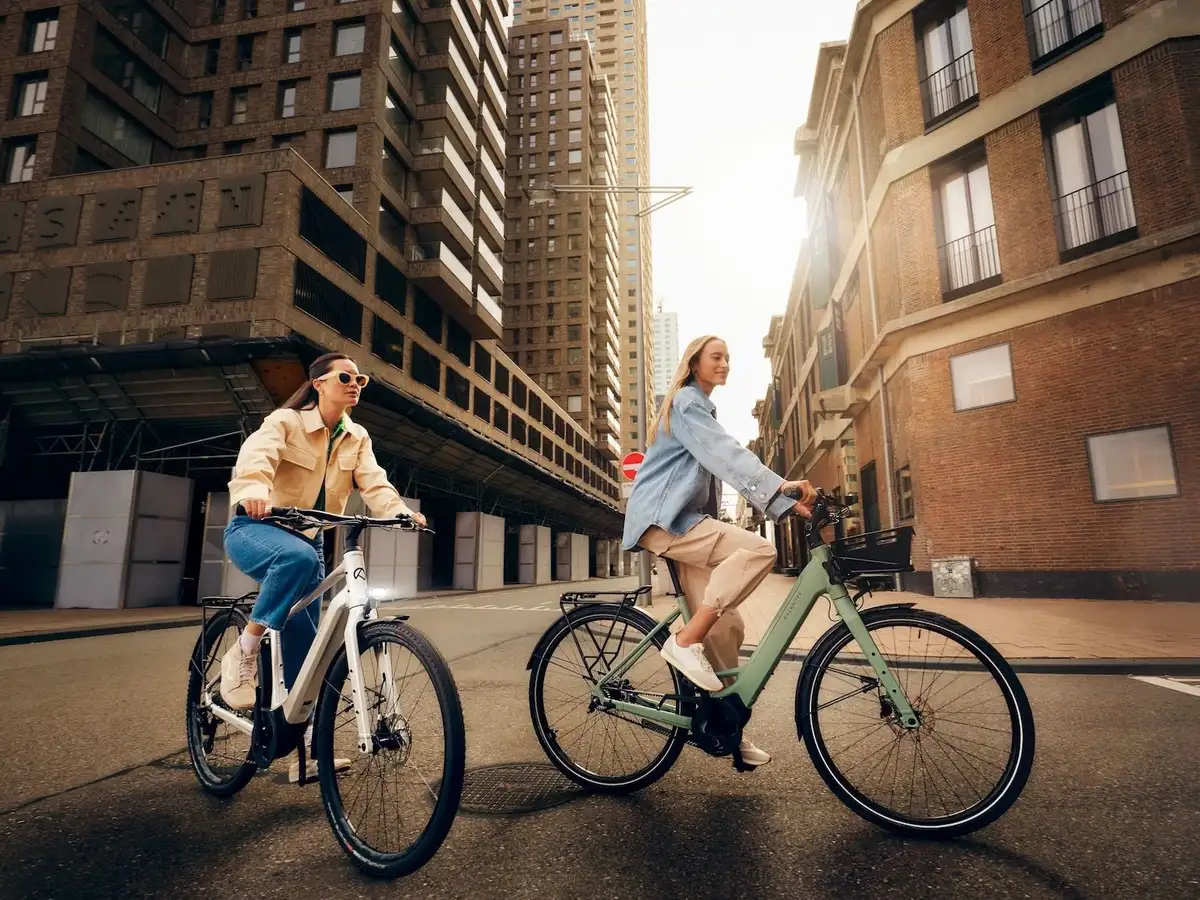
Why e-bikes offer many benefits for young people

Stress-free & affordable
E-bikes offer a wide range of benefits for young people. First, they provide a stress-free and cost-effective way to get around, especially in cities plagued by traffic congestion. With electric assistance, commuters can cover longer distances without breaking a sweat.

Environmentally friendly
Second, e-bikes are an environmentally friendly alternative to conventional vehicles and actively help reduce air pollution and traffic congestion. Since they produce no local emissions and require fewer resources than cars, they make an important contribution to emission reduced and flexible mobility—especially in urban areas and for daily commutes.

Good for Body & Mind
In addition, e-bikes promote an active lifestyle by increasing motivation to exercise regularly and helping people stay healthy. This is where the wide variety of categories comes into play, such as e-mountain bikes, e-trekking bikes, e-SUV bikes, e-city bikes, e-cargo bikes, e-road bikes, and more, offering the right vehicle for every purpose and requirement.
E-bikes as a commuting solution
A key factor driving the rise in e-bike use among young people is the commute to work. More and more working people are switching from cars or public transportation to e-bikes. E-bikes offer clear advantages, especially in cities: they allow for predictable travel times, avoid traffic jams, and reduce dependence on schedules or the search for parking. The e-bike thus becomes a flexible mobility solution that integrates seamlessly into modern daily life.
Company Bike Leasing as a Catalyst for Growth
Company bike leasing makes e-bikes particularly attractive. Through this program, employees can obtain their preferred bike through their employer and enjoy tax benefits. This significantly reduces monthly costs and makes high-quality e-bikes accessible to many young people for the first time. At the same time, they can use the company bike both for commuting and in their free time.
An important factor in mobility for older generations as well
While e-bike use is growing rapidly among young people, older users remain a key target group. For many people, electric assistance makes it possible to stay active and independent for longer.
Hills, headwinds, or longer distances are much easier to manage with an e-bike. This allows older people to continue making their daily trips independently—whether for shopping, leisure activities, or socializing. The e-bike thus plays a crucial role in maintaining mobility and quality of life in older age.
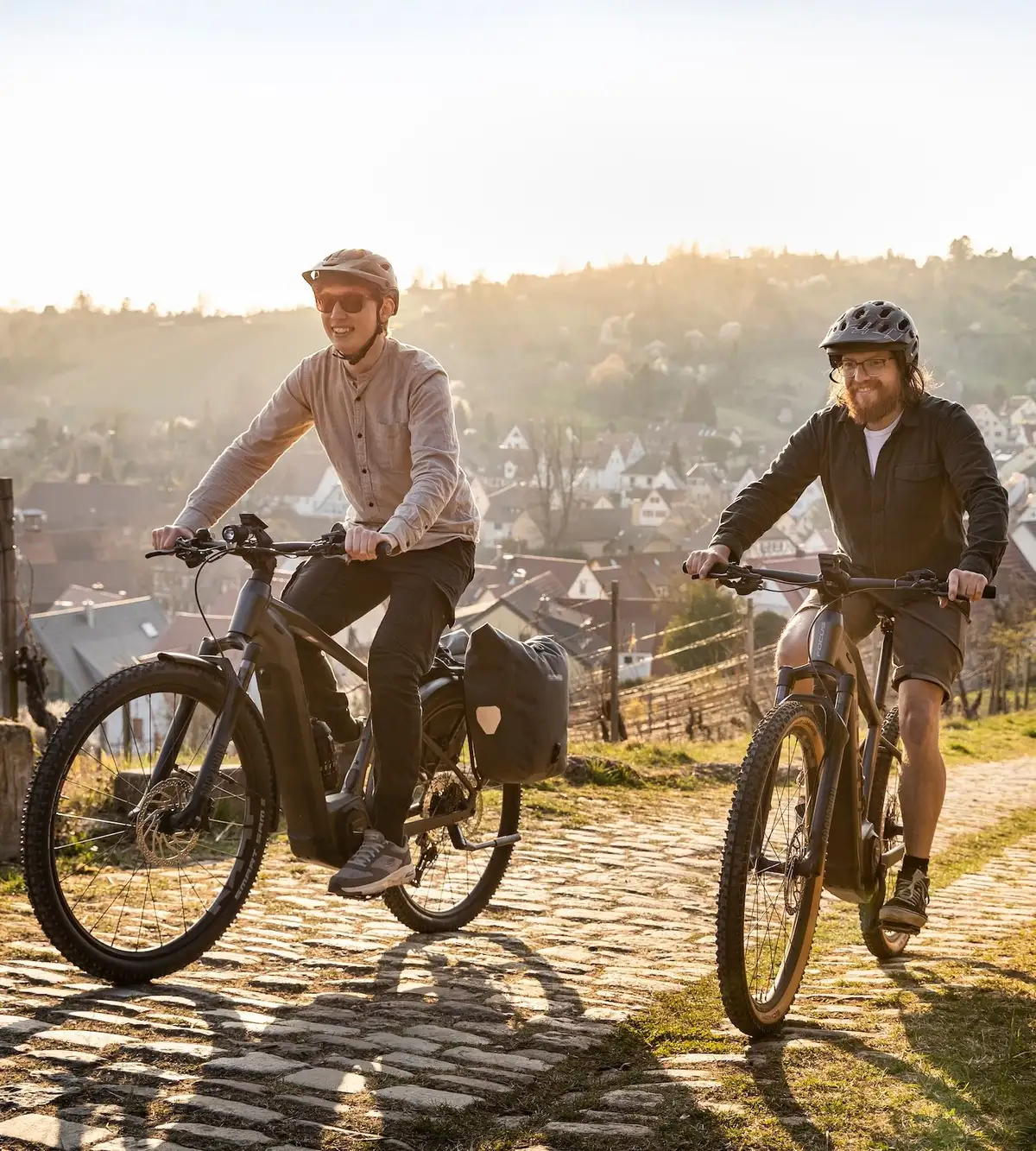
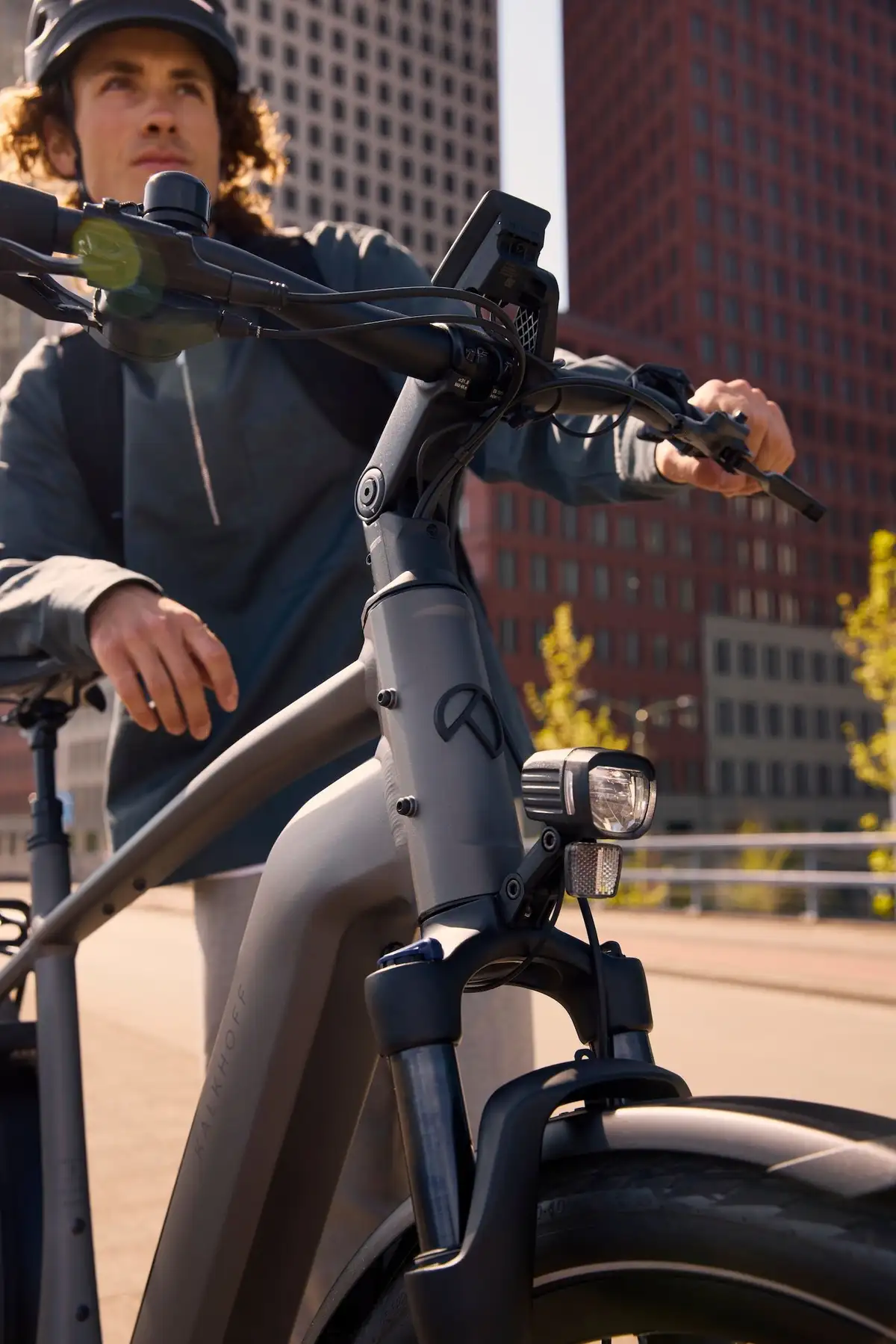
The variety of modern e-bikes appeals to people of all ages
Another reason for the growing popularity of e-bikes across all age groups is the enormous variety of bike types available. Today, there is a model to suit virtually every purpose:
E-city bikes for everyday urban life and short trips
E-trekking bikes for commuters and longer distances
E-SUV bikes for versatile use on roads and gravel
E-cargo bikes for families and transport tasks
E-mountain bikes for athletic use
S-pedelecs for fast commuting
This diversity ensures that e-bikes are no longer limited to a specific age group but cater to a variety of needs and lifestyles. At the same time, design and technology have advanced significantly. Modern e-bikes are lighter, more powerful, and visually almost indistinguishable from classic bicycles. This further contributes to their growing acceptance among younger demographics.
Infrastructure and social change drive development
As demand rises, cities and municipalities are increasingly investing in the expansion of bicycle infrastructure. New bike lanes, improved parking facilities, and bike-friendly traffic planning make cycling easier in everyday life. Social trends also play an important role. Sustainability, health consciousness, and flexible mobility are becoming increasingly important. Many people are looking for alternatives to the car—especially in urban areas. The e-bike meets these requirements perfectly. It combines efficiency, comfort, and environmental friendliness, making it an ideal fit for modern lifestyles and work models.
However, there are also challenges
The changing age profile of e-bike users presents both challenges and opportunities. For example, there is a need to adapt infrastructure to meet the growing demand for safe bike lanes and parking facilities. In addition, regulations and traffic safety must be improved to facilitate the coexistence of e-bikes, conventional bicycles, and other road users. On the other hand, new business opportunities are opening up for the bicycle industry, including the development of e-bike models that meet the needs and preferences of young people.
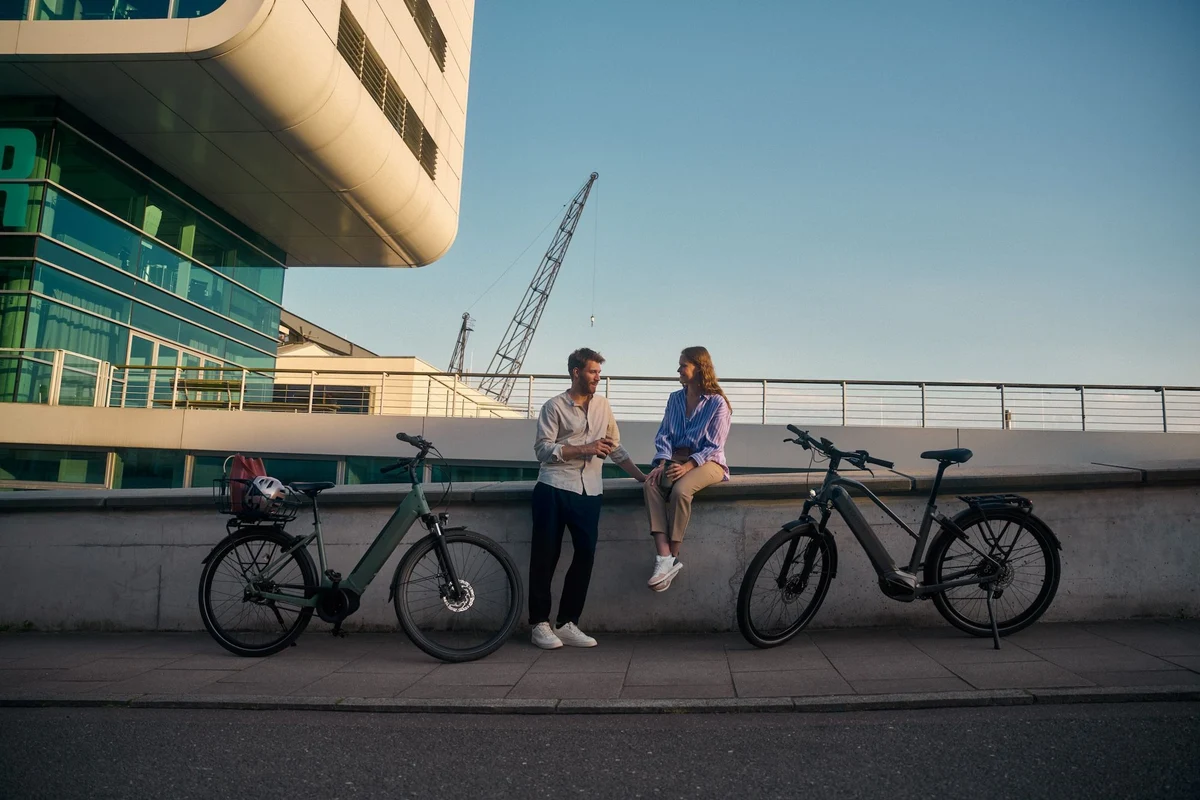
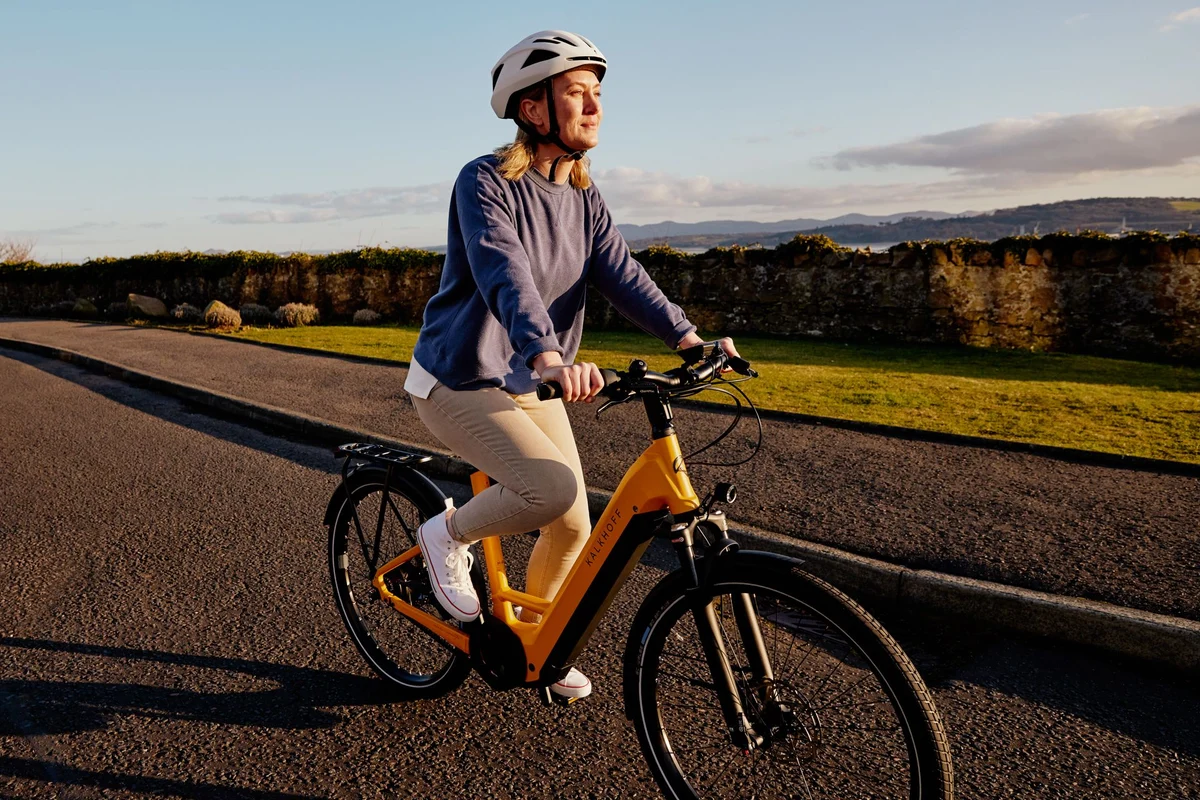
Conclusion: A mode of transportation for all generations
The changing age profile of e-bike users marks a significant turning point in mobility. The growing number of young people using e-bikes shows that this mode of transportation is not limited to older generations. The benefits in terms of health, reduction of vehicle-related CO2 emissions during the daily commute, and efficiency make e-bikes an attractive option for people of all ages, and the development of infrastructure will help further support this positive shift in mobility.
Company bike leasing makes using e-bikes even more appealing, as it offers a cost-effective way to own a high-quality e-bike and use it for both personal and professional purposes. Company bike leasing offers numerous benefits, including potential savings of up to 40 percent compared to purchasing an e-bike. Employees can finance their company bike monthly through payroll deduction and benefit from tax advantages. Use our leasing calculator to find out what the monthly payment for your dream company bike would be.