Which company bike is right for me? The big bike comparison
A comprehensive overview of bicycle types, areas of use, and key decision-making criteria for choosing the right company bike. Presented in an understandable and practical way—for an informed decision on the path to modern, sustainable mobility.
The most important information at a glance.
From city bikes to cargo bikes: different types of bikes meet different needs—from urban mobility to transport solutions for families or businesses.
E-bikes extend your range: ideal for longer commutes, hills, or when you want to arrive comfortably and without too much effort.
The choice depends on your commute: distance, terrain, and infrastructure are the most important factors when deciding on the right company bike.
Test rides are crucial: only once you're in the saddle will you know which riding experience suits you and which company bike will win you over in the long term.
Company bike leasing is worthwhile: you benefit from tax advantages, lower mobility costs, and more flexibility in everyday life.
The commute to work is changing. Instead of sitting in traffic jams or waiting for delayed trains, more and more people are switching to company bikes—and discovering a new form of mobility: faster, more flexible, and significantly more sustainable. At the same time, the selection of company bikes is greater than ever before. From comfortable city bikes and powerful e-mountain bikes to versatile gravel bikes and practical cargo bikes, there is a model to suit almost every lifestyle.
But it is precisely this diversity that raises a crucial question: which company bike is really right for me? The right choice depends not only on personal taste, but above all on the commute to work, comfort requirements, and how the bike will be used in everyday life. This guide helps you keep track of everything and find the company bike that perfectly suits your lifestyle – today and in the long term.
Overview of different types of bicycles.
Depending on your commute and your requirements in terms of comfort, speed, or transport, different types of bikes are suitable as company bikes. This overview helps you quickly classify the most important categories.

City bike
Ideal for short to medium commutes in urban areas. An upright seating position, simple operation, and practical features make it a reliable companion for everyday use.
Trekking bike
The perfect mix of comfort and sportiness. Trekking bikes are particularly suitable for longer commutes and changing surfaces, as they are sturdy yet efficient to ride.
Gravel bike
A true all-rounder for anyone who wants to stay flexible. Gravel bikes roll quickly on asphalt, but also handle gravel and forest trails with ease – ideal for commuting and leisure alike. Click here for our comprehensive guide to the different types of gravel bikes.
Road bike
Designed for speed and efficiency on paved roads. If you enjoy cycling and want to use your commute as a workout, a road bike is a particularly dynamic option.
Mountain bike
Robust, suitable for off-road use, and safe on uneven terrain. Mountain bikes are perfect if your commute takes you along dirt roads or forest trails, or if you enjoy riding off-road in your free time. Click here for our comprehensive guide to the different types of mountain bikes.
Folding bike
The best choice for multimodal commuting. Thanks to its folding mechanism, it is easy to take with you on buses and trains and can be stored in a space-saving manner—a major advantage in densely populated cities.
Cargo bike
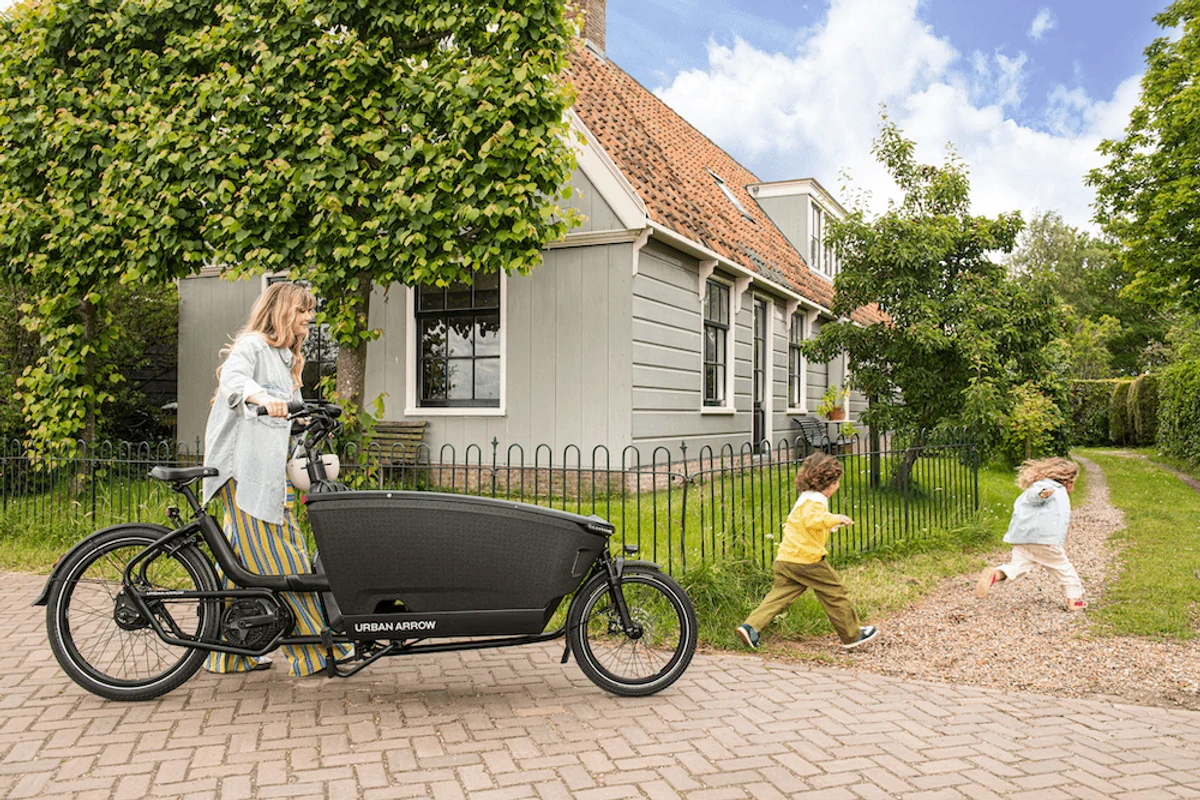
If you regularly transport groceries, work materials, or children, a cargo bike offers maximum everyday practicality. Thanks to its transport capabilities, it often replaces the car and, like no other type of bicycle, stands for sustainable mobility. Click here for our comprehensive guide to the different types of cargo bikes.
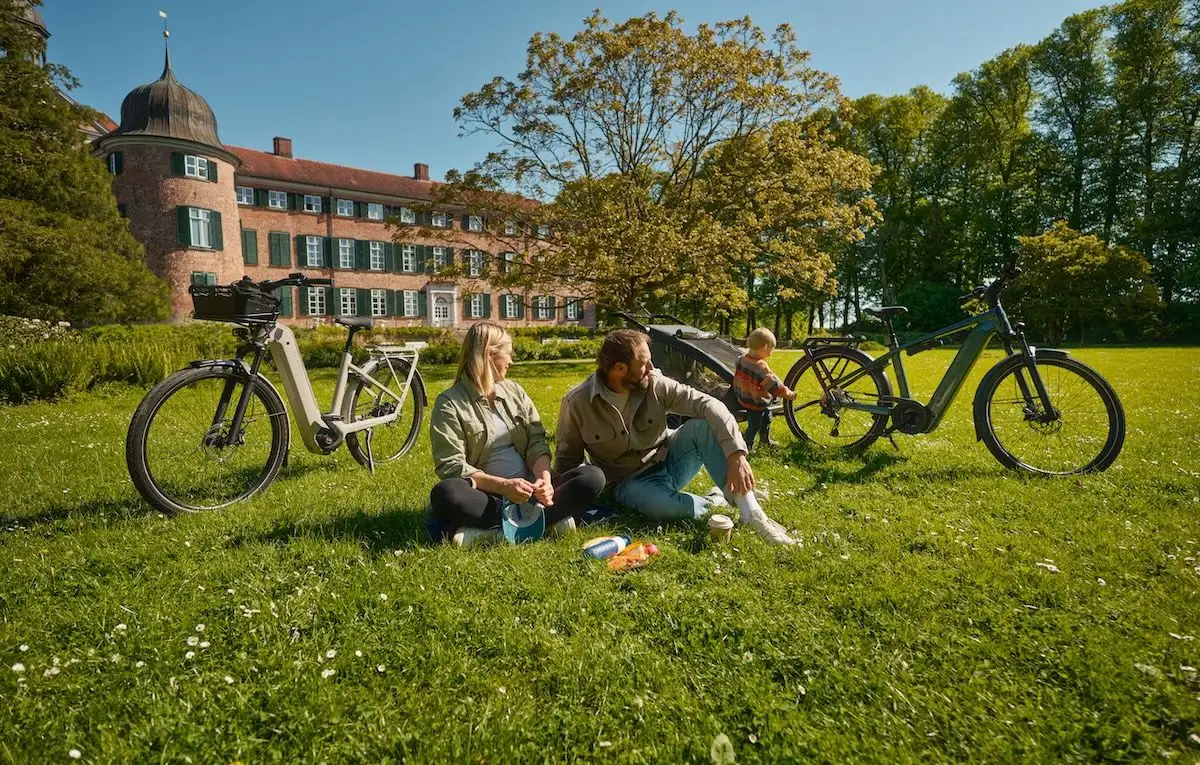
7 steps to finding the right company bike: these questions are key.
Are you wondering which company bike is right for you? Then this structured decision-making guide will help. Answer the following seven questions honestly—and get closer to your ideal bike type step by step.
How long is your daily commute?
For distances of less than five kilometers, you usually don't need a high-tech setup—a city bike or light trekking bike is often sufficient. For distances of eight to ten kilometers or more, efficiency becomes more important. This is where trekking bikes, gravel bikes, or e-bikes can show their advantages. For many people, an e-bike also becomes a comfortable solution for longer distances.
What does the ground look like?
Pure asphalt in the city? Then a city bike, road bike, or e-bike is ideal. Changing surfaces with gravel or forest trails? Then you should consider a gravel bike or mountain bike. Our tip: The company bike should always be suited to the actual route—not to your ideal scenario.
Would you like to arrive relaxed or athletic?
If you want to get to the office without breaking a sweat, an e-bike (pedelec up to 25 km/h) is often the best choice. If you want to use your commute as a workout, a road bike, gravel bike, or sporty trekking bike are good options. Here, it's a matter of personal preference between comfort and performance.
Do you need to transport something regularly?
Laptop and small bag? No problem for almost any type of bike. Weekly shopping, children, or work materials? Then you should consider a cargo bike or at least a bike with a sturdy luggage rack system. A company bike must be suitable for everyday use—it can't just look good.
Do you take the bus or the train?
If your commute is multimodal, i.e., combines several modes of transport, a folding bike may be the best solution. It can be folded up, easily stored, and taken with you wherever you go. This is a real advantage, especially in large cities.
How important is speed?
If you want to cover distance efficiently, a road bike or sporty gravel bike is ideal. If safety, visibility, and comfort are more important than speed, a city or trekking bike is a better choice. Speed is not a must—but for some, it is a clear deciding factor.
What does leisure mobility look like?
The company bike is usually also the everyday and weekend bike. Do you enjoy touring? Then a trekking or gravel bike is very versatile. Are you looking for adventure off-road? Then a mountain bike is a better choice. Do you mainly want to get around town flexibly? Then a city bike remains the solid choice.
Focus on environmental friendliness and sustainability.
Regardless of the company bike option chosen, the decision to opt for sustainable mobility not only contributes to personal health, but also to environmental friendliness. Reducing CO2 emissions and promoting an environmentally conscious lifestyle are key aspects that are supported by choosing a company bike as a means of transportation. Companies that offer their employees the opportunity to use a company bike are not only embracing modern mobility concepts, but also making an important contribution to overcoming environmental challenges.
Conclusion.
Everyday life decides – not trends.
There is no one-size-fits-all answer to the question “Which company bike is right for me?” It depends on the distance you travel, your comfort requirements, your transport needs, and your personal riding style. One thing is certain: if you analyze your needs clearly, you will quickly find the right type of bike. And best of all, with Lease a Bike, you can choose any company bike you want, regardless of brand or model. This ensures that the bike really suits your personal everyday life and not the other way around.